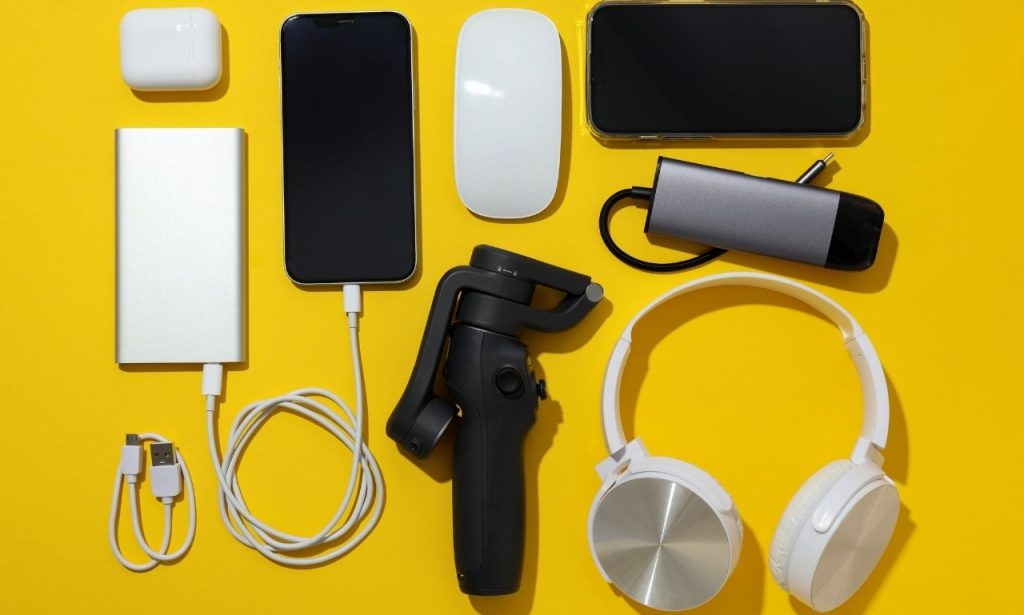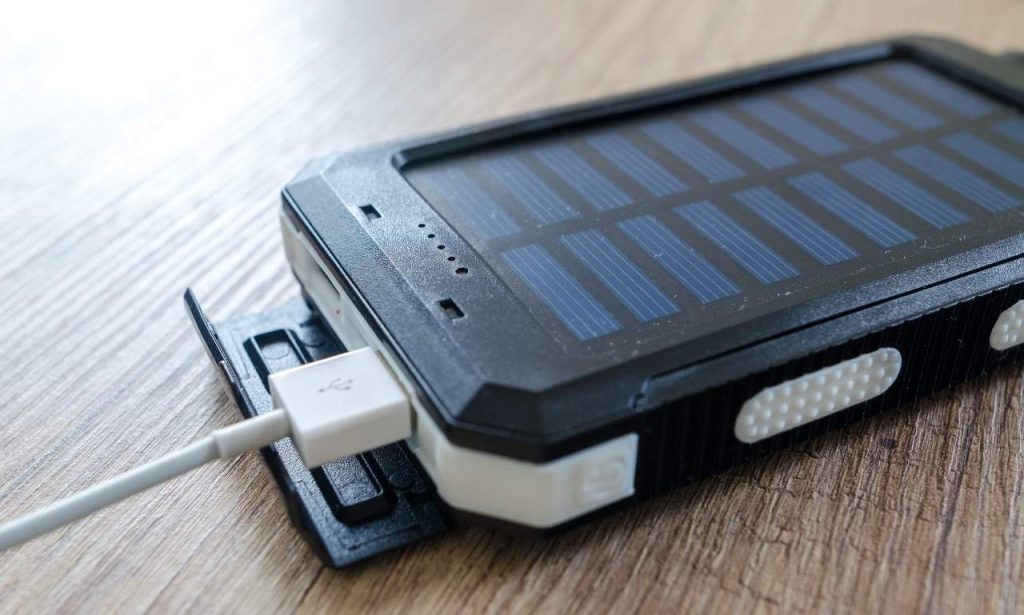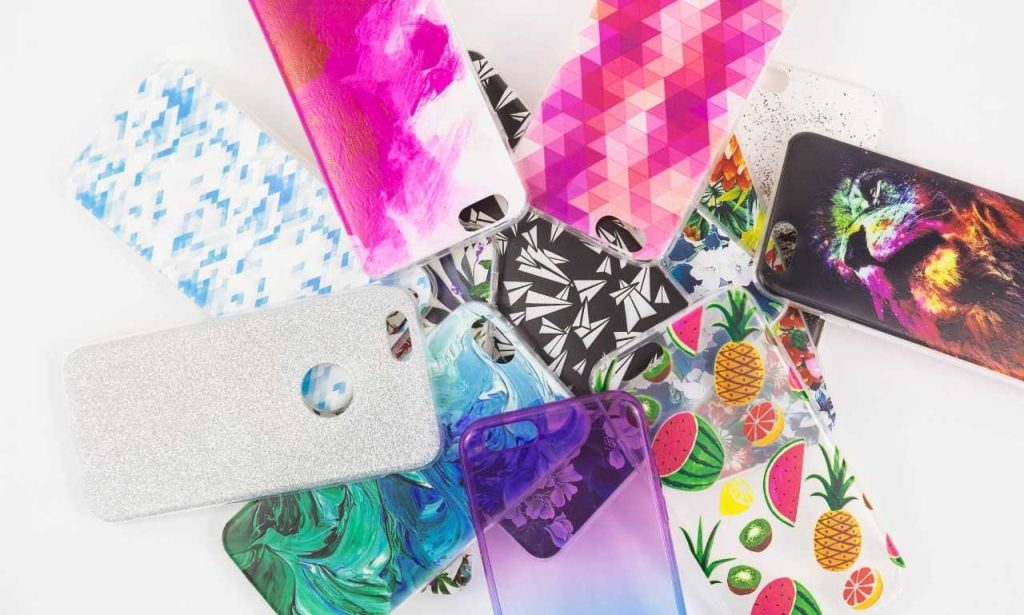
Category: Mobile Devices & Accessories

  • Which Phone Accessories Actually Improve Productivity?

    Which Phone Accessories Actually Improve Productivity?

    Most people carry a smartphone everywhere, yet few use it as efficiently as they could. The device itself is powerful, but the right accessories often make the difference between constantly fighting limitations and getting work done smoothly. The question is not which accessories are popular. It’s which phone accessories actually improve productivity in meaningful ways.

    Why Some Phone Accessories Improve Productivity While Others Don’t
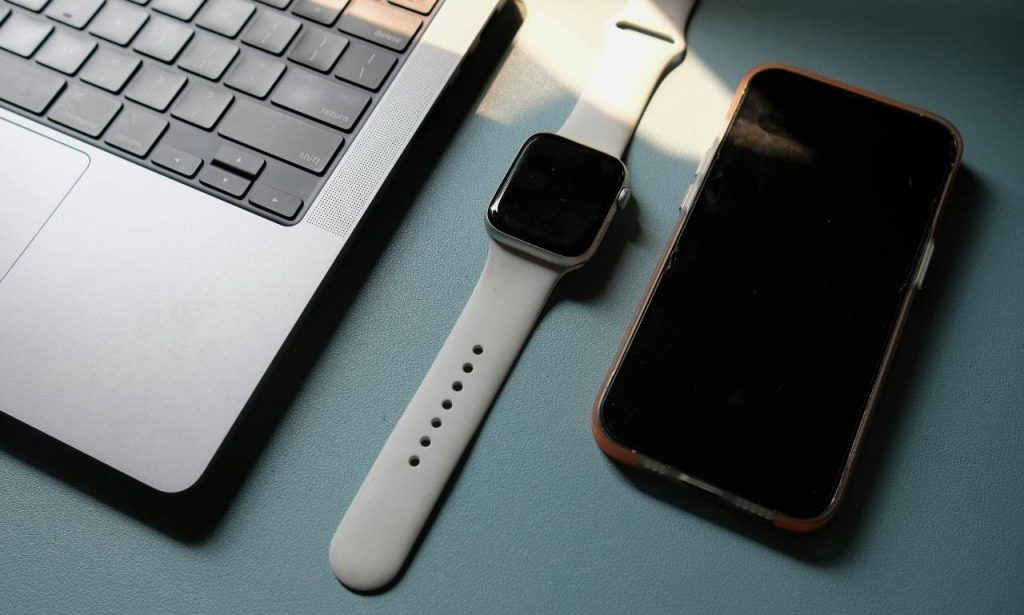
    Phone Accessories Actually Improve Productivity

    The market is crowded with products that promise convenience, efficiency, and better performance. Many deliver very little beyond a temporary sense of novelty.

    A genuinely productive accessory removes friction from a task you perform regularly. It helps you work faster, stay focused longer, or solve a recurring problem. That might mean reducing typing fatigue, extending battery life, improving ergonomics, or making multitasking easier.

    The most productive accessories are rarely the flashiest ones. In many cases, they are simple tools that quietly eliminate small frustrations throughout the day. Those small improvements add up quickly when repeated dozens of times every week.

    The Difference Between Convenience and Productivity

    Convenience and productivity often overlap, but they are not the same thing.

    A decorative charging dock may look attractive on a desk. A wireless charger that keeps your phone powered throughout a busy workday has a measurable impact on efficiency. One adds visual appeal. The other reduces interruptions.

    The best purchases solve problems you already have rather than creating new reasons to use your phone.

    Bluetooth Keyboards Make Mobile Work More Practical

    Typing long documents on a touchscreen remains one of the biggest limitations of smartphone productivity.

    Modern mobile keyboards are excellent for messaging and quick replies. They become less comfortable when writing reports, taking extensive notes, drafting proposals, or responding to large volumes of email.

    A Bluetooth keyboard changes that experience immediately. The improvement becomes obvious within minutes. Typing feels faster, more accurate, and less tiring.

    Students often use portable keyboards during lectures. Business travelers can work from airports and hotel lobbies without carrying a laptop. Freelancers frequently draft articles, proposals, and client communications directly from their phones.

    Who Benefits Most From a Bluetooth Keyboard?

    People who regularly write more than a few hundred words per day on their phones usually see the greatest benefit.

    This includes:

    • Students
    • Writers
    • Journalists
    • Consultants
    • Remote workers
    • Business travelers

    For many users, a quality Bluetooth keyboard provides the largest productivity improvement of any smartphone accessory.

    Phone Stands Create a More Comfortable Workspace

    A phone stand seems almost too simple to matter. Yet it addresses one of the most common problems associated with smartphone use.

    Most people spend hours looking down at screens. That posture places strain on the neck, shoulders, and upper back. Over time, discomfort becomes a distraction.

    A phone stand raises the device closer to eye level. The difference feels subtle at first. After several hours of work, however, the benefits become clear.

    Better Visibility Improves Workflow

    Many professionals rely on smartphones for calendars, communication apps, authentication tools, and reference materials.

    Keeping the device upright and visible makes it easier to glance at important information without constantly picking it up. Small interruptions disappear. Multitasking becomes smoother.

    The result is a workspace that feels more organized and less chaotic.

    Noise-Canceling Earbuds Protect Attention

    Productivity is not only about speed. It is also about maintaining concentration.

    Few things disrupt focus more than constant background noise. Conversations, traffic, household activity, and office distractions compete for attention throughout the day.

    Noise-canceling earbuds create a quieter environment without requiring a dedicated workspace.

    This becomes especially valuable during video calls and virtual meetings. Clearer audio improves communication and reduces misunderstandings. Participants spend less time asking people to repeat themselves and more time discussing important topics.

    Why Focus Is Often More Valuable Than Speed

    Many productivity discussions focus on working faster. In reality, maintaining uninterrupted attention often matters more.

    A person who remains focused for an hour frequently accomplishes more than someone who works quickly but gets distracted every few minutes.

    That is why many professionals consider noise-canceling earbuds an essential work tool rather than a luxury purchase.

    Power Banks Eliminate One of the Biggest Productivity Killers

    Battery anxiety affects more people than they realize.

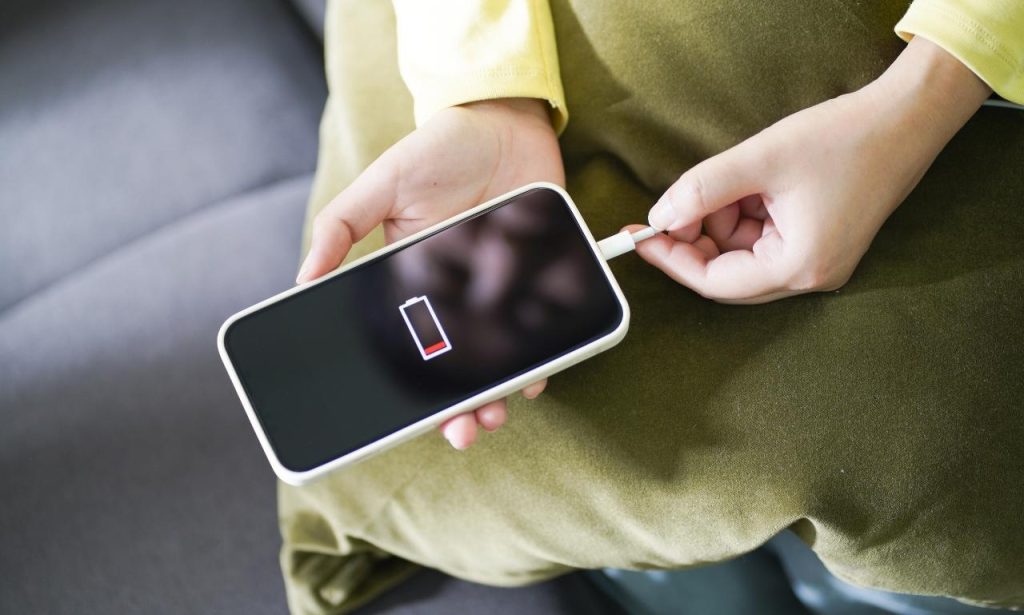
    A phone running low on power changes behavior immediately. Users begin limiting activity, searching for outlets, carrying charging cables, and worrying about losing access to important information.

    A reliable power bank removes those concerns.

    Whether attending conferences, traveling for business, working remotely, or spending long days away from a desk, portable charging ensures that productivity remains uninterrupted.

    Capacity Matters More Than Extra Features

    Many buyers focus on flashy features and marketing claims. Capacity and charging speed usually matter more.

    A power bank capable of delivering multiple full charges provides peace of mind and practical utility. The ability to quickly restore battery life often proves more useful than advanced features most users rarely touch.

    Wireless Chargers Reduce Small Daily Frustrations

    Wireless charging is sometimes dismissed as a luxury feature. In practice, it can contribute to a more efficient routine.

    Think about how often a charging cable gets plugged in and removed during a typical week. Each action takes only seconds, but repeated hundreds of times over months and years, those moments become surprisingly noticeable.

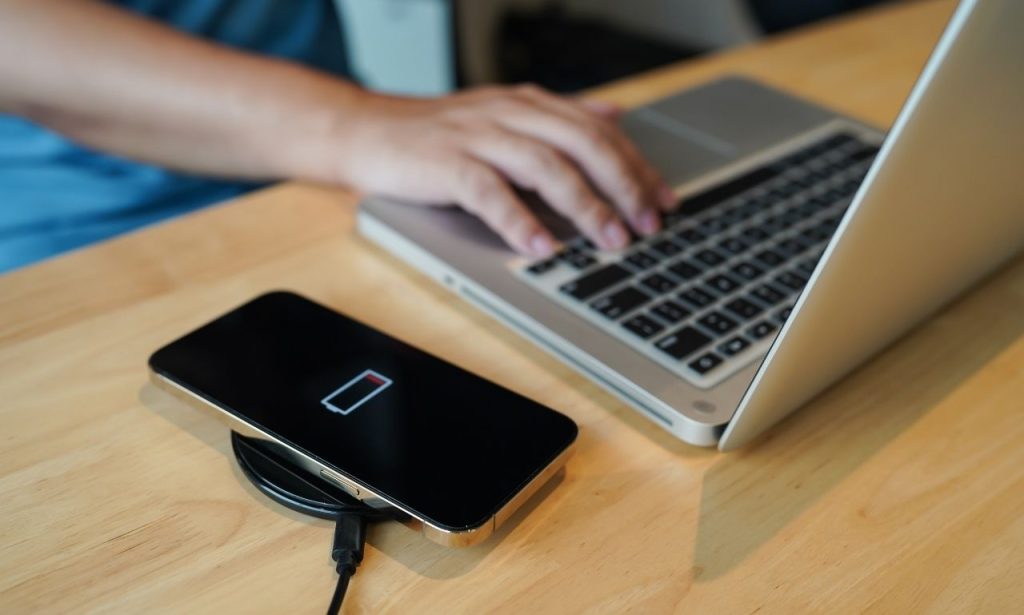
    A wireless charging pad simplifies the process. Place the phone down and charging begins automatically.

    Why Small Improvements Matter

    Productivity is rarely transformed by a single dramatic change.

    More often, it improves through dozens of tiny optimizations. Wireless charging falls into that category. It removes a minor inconvenience that occurs repeatedly throughout the day.

    While the impact may not seem significant on paper, many users find it difficult to return to traditional charging once they adopt a wireless setup.

    USB-C Hubs Turn Smartphones Into Workstations
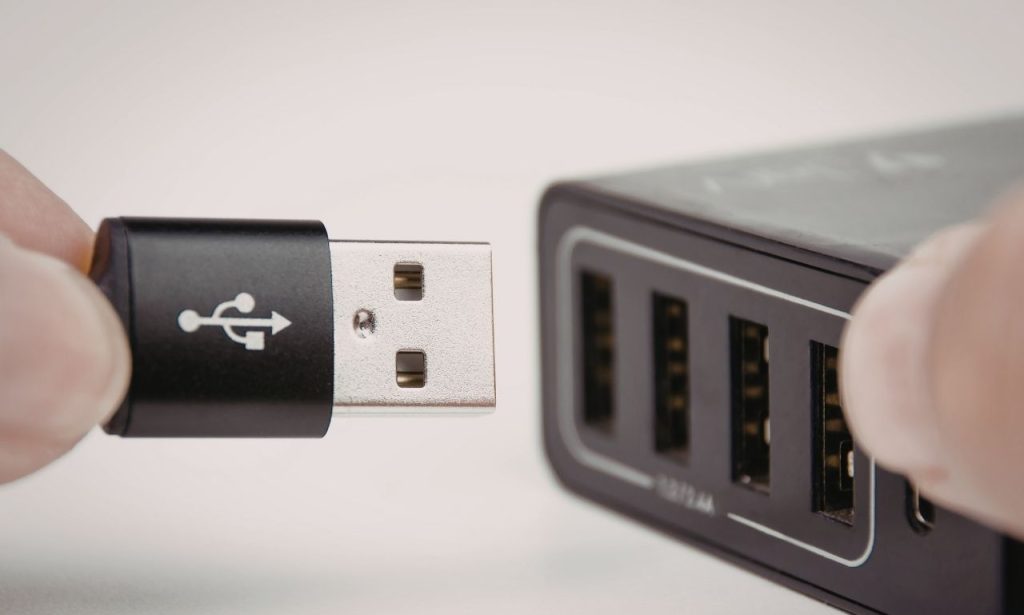
    Smartphones have become remarkably capable computing devices. In some cases, the hardware rivals entry-level laptops.

    The challenge lies in connectivity.

    A USB-C hub expands what a smartphone can do by adding support for external displays, storage devices, keyboards, mice, and memory cards.

    For professionals who travel frequently, this flexibility can be extremely valuable.

    Mobile Desktop Modes Are Becoming More Useful

    Features such as Samsung DeX have changed how some users approach mobile productivity.

    By connecting a smartphone to a monitor, keyboard, and mouse, it becomes possible to create a desktop-style workspace almost anywhere.

    A USB-C hub serves as the bridge that makes this setup practical.

    Stylus Pens Improve Precision and Organization

    Not everyone needs a stylus. For certain users, though, it becomes one of the most useful accessories available.

    Typing works well for many tasks. Handwriting remains valuable for others.

    Students often retain information more effectively when writing notes. Professionals frequently review contracts, annotate PDFs, and sketch ideas during planning sessions.

    A stylus adds precision that fingers cannot match.

    Digital Note-Taking Continues to Grow

    The popularity of digital notebooks and note-taking apps has increased significantly in recent years.

    A stylus allows users to combine the flexibility of digital storage with the familiarity of handwritten notes. Ideas can be organized, searched, edited, and shared without carrying paper notebooks.

    That combination of convenience and structure makes a strong case for stylus-based workflows.

    Portable SSDs Save Time for Content Creators

    As smartphone cameras improve, file sizes continue to grow.

    Photos, videos, presentations, and project files can quickly consume available storage. Cloud services help, but they are not always the fastest option.

    Portable SSDs provide rapid access to additional storage without requiring an internet connection.

    For photographers, videographers, marketers, and content creators, this can dramatically streamline workflows.

    Faster Transfers Mean Less Waiting

    Time spent waiting for files to upload or transfer is still time lost.

    Modern SSDs can move large amounts of data in minutes rather than hours. That difference becomes particularly noticeable during busy projects with tight deadlines.

    The productivity benefit comes from reducing delays and maintaining momentum.

    Smartwatches Help Reduce Unnecessary Phone Use
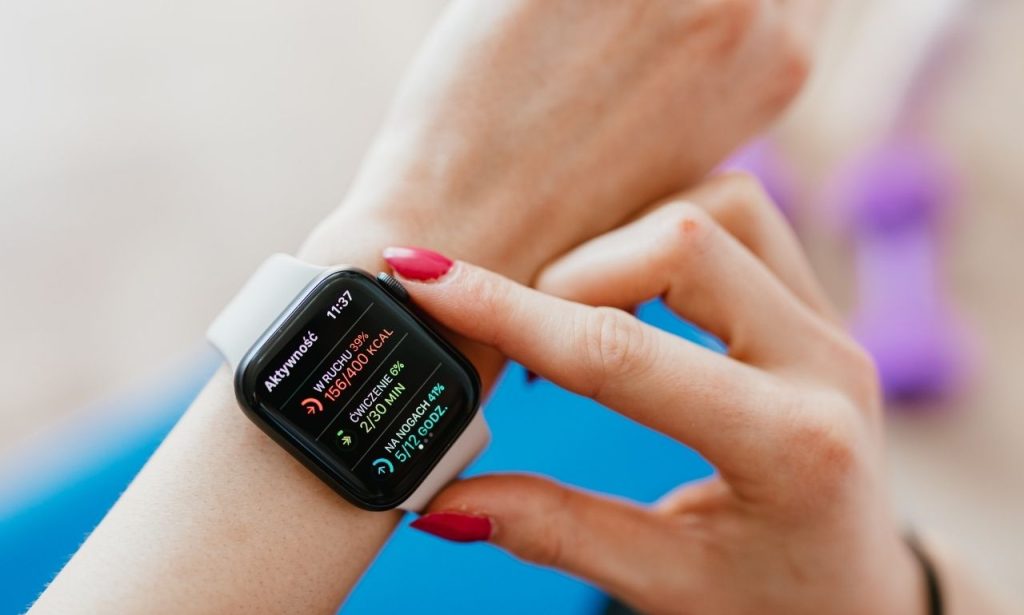
    Smartwatches Help Reduce Unnecessary Phone Use

    At first glance, smartwatches seem like devices that create additional distractions. Used properly, they often achieve the opposite.

    Many smartphone checks begin with a harmless notification. Minutes later, users find themselves scrolling through unrelated apps.

    A smartwatch interrupts that pattern.

    Filtering Notifications More Efficiently

    A brief glance at the wrist reveals whether a message requires immediate attention.

    If it doesn’t, work continues uninterrupted.

    Over time, this reduces the habit of constantly unlocking the phone. Many users discover they spend less time on distracting apps after integrating a smartwatch into their daily routine.

    The productivity gain comes from avoiding interruptions before they begin.

    Building a Phone Productivity Setup That Actually Works

    Many people search for a single accessory that will transform their workflow overnight. Productivity rarely works that way.

    The most effective approach involves combining a few carefully selected tools that address specific challenges.

    A writer might pair a Bluetooth keyboard with a phone stand. A remote worker may prioritize noise-canceling earbuds and wireless charging. A traveler could benefit most from a power bank and portable SSD.

    The goal is not to accumulate gadgets. It is to create an environment where work happens with fewer obstacles.

    When evaluating any accessory, ask a simple question: does this help me complete important tasks more efficiently?

    If the answer is yes, the purchase may be worthwhile.

    Conclusion

    So, which phone accessories actually improve productivity? The answer depends on how you use your device, but several products consistently stand out. Bluetooth keyboards make writing easier. Phone stands improve comfort. Noise-canceling earbuds support concentration. Power banks eliminate interruptions. USB-C hubs expand functionality, while smartwatches help reduce distractions.

    The most productive accessories are not necessarily the newest or most expensive. They are the ones that remove friction from everyday tasks. When chosen carefully, they can transform a smartphone from a communication device into a capable tool for work, study, and organization.

    Also Read: What Mobile Accessories Wear Out the Fastest?

    FAQs

    Which phone accessory improves productivity the most?

    For most people, a Bluetooth keyboard delivers the biggest productivity gain because it makes writing faster and more comfortable.

    Are wireless chargers worth buying?

    Yes. They simplify charging routines and reduce small interruptions throughout the day.

    Can a smartphone replace a laptop?

    For many tasks, it can. A keyboard, USB-C hub, and external display can create a surprisingly capable workstation.

    Do smartwatches help people stay productive?

    They can. Smartwatches reduce unnecessary phone checks and help users manage notifications more efficiently.
  • Can a Phone Case Improve Battery Life Indirectly?

    Can a Phone Case Improve Battery Life Indirectly?

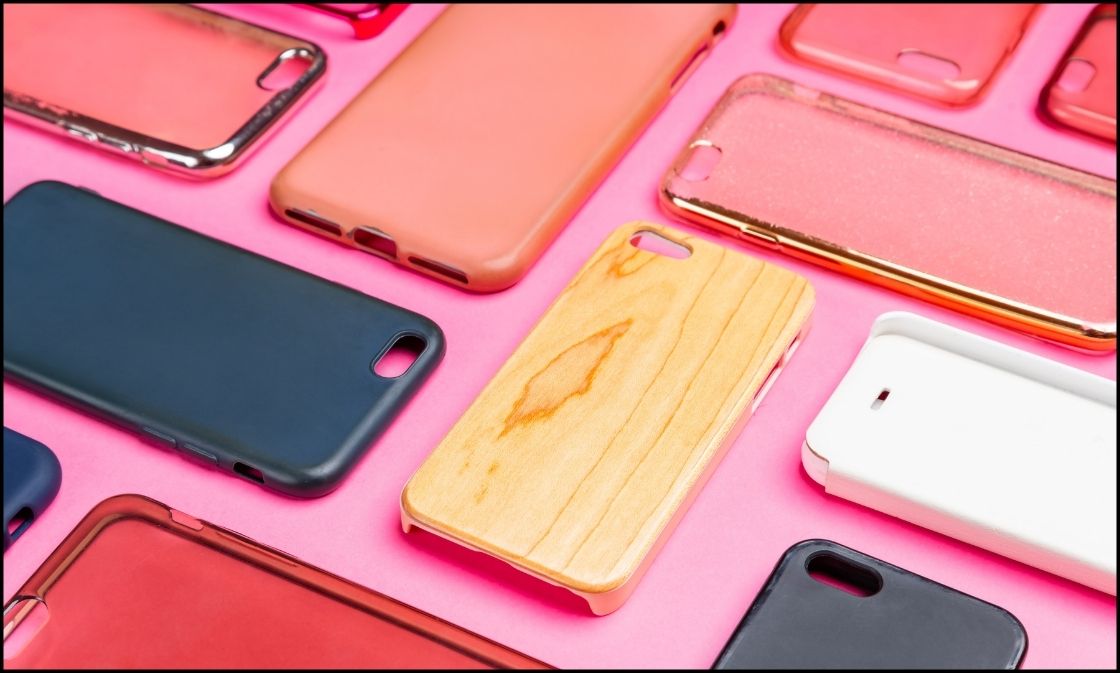
    Smartphone owners spend plenty of time searching for ways to squeeze more life from a battery. Screen settings, charging habits, and background apps usually get most of the attention. Yet one accessory that rarely enters the conversation is the phone case. While a case cannot add battery capacity, it can influence several factors that affect how efficiently a phone uses and preserves power over time.

    Understanding the Relationship Between Phone Cases and Battery Life

    Can a phone case improve battery life indirectly

    To answer the question, can a phone case improve battery life indirectly, it helps to separate battery life from battery capacity.

    A phone case cannot increase the amount of energy stored inside a battery. That capacity is determined by the battery itself. However, battery performance is influenced by conditions surrounding the device. Temperature, charging efficiency, physical protection, and hardware health all play a role in how well a battery performs.

    A phone case affects several of these conditions. Depending on its design and material, it can either support battery health or create conditions that accelerate wear. The impact is often subtle, but over months and years of use, those small effects can become noticeable.

    Why Heat Matters More Than Most People Realize

    Heat is one of the biggest enemies of lithium-ion batteries. Every modern smartphone relies on this battery technology, and excessive temperatures speed up chemical degradation inside the battery cells.

    When a battery regularly operates at elevated temperatures, its maximum capacity gradually declines. This means the phone holds less charge than it did when it was new. A device that once lasted all day may eventually struggle to make it through the afternoon.

    Heat affects more than long-term health. It can also increase short-term power consumption. Smartphones often activate thermal management systems when temperatures rise. Processors slow down, charging speeds decrease, and system resources work harder to maintain stability.

    This is where phone cases enter the discussion. Some cases influence how effectively heat escapes from the device during demanding tasks.

    How Daily Activities Generate Heat

    Most users associate overheating with gaming, but many common activities generate significant heat.

    These include:

    • Fast charging
    • Wireless charging
    • Video recording
    • Mobile gaming
    • GPS navigation
    • Video calls
    • Streaming high-resolution content

    During these activities, the phone’s internal components continuously generate heat. If that heat remains trapped, battery stress increases.

    Can a Phone Case Improve Battery Life Indirectly Through Better Heat Management?

    Improve Battery Life

    This is perhaps the strongest argument in favor of certain phone cases helping battery performance.

    Some modern cases are designed with thermal management in mind. They use materials that allow heat to dissipate more efficiently than thick insulating materials. Slim designs often allow heat to escape more effectively than bulky protective cases.

    A phone that remains cooler during charging or intensive use places less strain on its battery. Over time, that can contribute to healthier battery performance and slower capacity loss.

    The improvement is indirect because the case is not generating extra battery power. Instead, it is helping create conditions that reduce battery stress.

    Not all cases provide this benefit. Some may actually work against it.

    How Thick Cases Can Work Against Battery Efficiency

    Rugged cases offer excellent drop protection, but they sometimes create unintended thermal challenges.

    Many thick cases rely on dense layers of silicone, rubber, or other insulating materials. While these materials absorb impact effectively, they may also reduce heat dissipation.

    Imagine wrapping a warm object in a blanket. The heat does not disappear. It remains trapped for longer. A similar effect can occur when a smartphone operates inside a heavily insulated case.

    This becomes particularly noticeable during:

    • Fast charging sessions
    • Extended gaming sessions
    • Long navigation trips
    • Hot outdoor conditions

    A warmer battery experiences greater stress. Over time, that can contribute to faster battery aging.

    This does not mean rugged cases are bad products. It simply means users should understand the trade-offs between protection and thermal performance.

    Phone Case Materials and Their Impact on Battery Health

    The material used in a phone case can influence heat transfer and overall device temperature.

    Silicone and TPU Cases

    Silicone and TPU remain among the most popular case materials because they offer flexibility, affordability, and impact protection.

    They perform well for everyday use, but they are not especially effective at transferring heat away from the phone. Their insulating properties can sometimes contribute to heat retention during demanding tasks.

    Polycarbonate Cases

    Polycarbonate cases tend to be thinner and more rigid. They often allow better heat dissipation than thicker silicone alternatives.

    Many minimalist cases use polycarbonate specifically because it provides protection without adding excessive bulk.

    Aramid Fiber Cases

    Aramid fiber cases have become increasingly popular among users who prioritize slim designs.

    These cases are lightweight, durable, and generally thinner than traditional protective cases. Their minimal thickness often helps reduce heat retention compared with bulkier alternatives.

    Metal Cases

    Metal cases can transfer heat effectively, but they introduce other complications. They may interfere with wireless charging, signal reception, or overall usability.

    For that reason, they remain less common in the mainstream market.

    Charging Habits and the Role of a Phone Case

    Charging generates heat naturally. Fast charging generates even more.

    During charging, the battery converts electrical energy into stored chemical energy. This process produces heat as a byproduct. If a case traps that heat, battery temperatures can rise further.

    Many smartphone manufacturers acknowledge this issue. Some even recommend removing certain types of cases if the device becomes unusually warm during charging.

    Wireless Charging Creates Additional Heat

    Wireless charging is convenient, but it is generally less efficient than wired charging.

    Energy transfers through electromagnetic induction rather than a direct cable connection. Some energy is lost as heat during this process.

    A thick case can increase this heat buildup. In extreme situations, charging speeds may slow automatically as the phone attempts to control temperature levels.

    Users who rely heavily on wireless charging may benefit from slim, heat-friendly case designs.

    Physical Protection Also Supports Long-Term Battery Performance

    Battery life is not only about chemistry. Physical damage can affect power performance as well.

    A dropped phone may suffer internal damage even when the screen appears intact. Connectors, charging circuits, and battery components can experience stress from repeated impacts.

    A quality phone case reduces the likelihood of this type of damage.

    Protecting the phone’s internal hardware helps maintain efficient operation over the device’s lifespan. In that sense, a case contributes indirectly to battery reliability by preserving the overall health of the device.

    The benefit may not appear immediately, but avoiding hardware damage can extend a smartphone’s usable life significantly.

    Why Overheating Can Trigger Faster Battery Drain

    Many users notice battery drain after a phone becomes hot. This is not their imagination.

    Higher temperatures increase resistance and place additional demands on system resources. Background processes may become more active as the operating system attempts to manage thermal conditions.

    Some devices also reduce processor efficiency during overheating events. Tasks may take longer to complete, which can increase overall energy consumption.

    A phone that consistently runs cooler often maintains more stable performance. While the gains may be modest, they contribute to a smoother user experience and healthier battery behavior.

    This is another reason the question can a phone case improve battery life indirectly deserves attention.

    Choosing a Battery-Friendly Phone Case

    Battery-Friendly Phone Case

    Consumers looking for a battery-conscious case should focus on balance rather than extremes.

    The ideal case provides sufficient protection without creating unnecessary thermal insulation.

    Several characteristics are worth considering:

    • Slim construction
    • High-quality materials
    • Compatibility with wireless charging
    • Good ventilation around ports and openings
    • Positive reviews regarding heat management

    No case can transform battery performance dramatically. However, choosing a design that minimizes heat retention can support better long-term results.

    Users who frequently game, stream video, or use fast charging may notice the greatest benefits from heat-conscious case designs.

    Common Myths About Phone Cases and Battery Life

    Misconceptions often appear in discussions about smartphone accessories.

    One common myth is that a phone case directly increases battery capacity. This is impossible unless the case contains an additional battery pack.

    Another misconception suggests all cases cause overheating. In reality, the effect varies greatly depending on material, thickness, environmental conditions, and usage patterns.

    Some people also assume battery life improvements will be immediate. Indirect benefits usually appear gradually through reduced battery wear and improved thermal management.

    The real value lies in preserving battery health over time rather than creating dramatic day-to-day changes.

    The Verdict: Can a Phone Case Improve Battery Life Indirectly?

    The answer is yes, but with important qualifications.

    A phone case cannot create extra battery power or increase battery capacity. What it can do is influence the conditions that affect battery performance. Cases that support efficient heat dissipation, reduce physical damage, and avoid excessive thermal insulation may help preserve battery health over the long term.

    For most users, the biggest factor is temperature management. Batteries age faster when exposed to frequent heat. A thoughtfully designed case can help reduce that stress during charging, gaming, navigation, and other demanding activities.

    So, can a phone case improve battery life indirectly? In many situations, it can. The effect is not dramatic or immediate, but it may contribute to healthier battery performance and slower battery degradation throughout the life of the device.

    Also Read: What Mobile Accessories Wear Out the Fastest?

    FAQs

    Does a phone case make a battery last longer?

    Not directly. A case cannot increase battery capacity, but it may help preserve battery health by reducing heat-related stress.

    Should I remove my phone case while charging?

    Usually it is not necessary. However, if the phone becomes noticeably hot during charging, removing the case may help improve heat dissipation.

    What type of phone case is best for battery health?

    Slim cases made from materials that minimize heat retention are generally better for long-term battery health than very thick insulating cases.

    Can wireless charging damage a battery when using a case?

    Wireless charging itself does not usually damage a battery, but excessive heat generated during charging can accelerate battery wear if temperatures remain high.

  • How Do You Know if a Mobile Accessory Is Certified and Safe?

    How Do You Know if a Mobile Accessory Is Certified and Safe?

    A few years ago, buying a phone accessory was simple. Most people walked into a store, picked up a charger or cable, paid for it, and left. Today, the market looks very different. Thousands of brands compete online. Some are established manufacturers with years of experience. Others seem to appear overnight with names you’ve never heard before. For consumers, that creates a problem. A charger can look identical to another charger. A cable can claim the same charging speed as a premium alternative. A power bank may advertise impressive capacity numbers. Yet none of those things tell you whether the product has been tested, verified, or built to operate safely. Understanding how do you know if a mobile accessory is certified and safe has become just as important as comparing price or features.

    The Growing Gap Between Appearance and Quality

    Mobile Accessory Is Certified and Safe

    One reason people struggle to identify safe accessories is that manufacturing has become remarkably good at imitation. Cheap products no longer look cheap.

    A counterfeit charger today may have polished packaging, professional product photos, and hundreds of positive reviews. To the average buyer, it appears no different from an accessory produced by a reputable electronics company.

    What remains hidden are the components inside. Two charging adapters may share the same exterior design while using completely different internal parts. One might contain proper protection circuits designed to regulate voltage and temperature. The other may rely on lower-quality components that were never subjected to meaningful testing.

    That difference rarely becomes visible during the first few days of use. Problems often emerge later through overheating, inconsistent charging, shortened battery life, or outright failure.

    What Certification Really Tells You

    Consumers often assume certification is simply another marketing label. In reality, it serves a practical purpose.

    When an accessory receives certification, it means the product has been evaluated against specific standards. Those standards vary depending on the accessory and the market where it is sold, but the underlying goal remains the same. Certification provides evidence that a product has met established requirements rather than relying solely on manufacturer claims.

    This doesn’t mean every certified product is perfect. It does mean someone other than the manufacturer has assessed whether the accessory meets certain benchmarks for safety, compatibility, or performance.

    That distinction becomes especially important in categories involving electricity, batteries, and wireless communication.

    Why Certification Matters More Than Brand Claims

    Many buyers place tremendous trust in packaging. Terms such as “premium,” “professional,” or “high-performance” often create an impression of quality.

    The problem is that those phrases have no consistent meaning.

    Certification carries more value because it requires verification. A manufacturer can describe a charger as premium without proving anything. A recognized certification requires the product to satisfy measurable requirements.

    For that reason, experienced consumers often look for certification details before they consider marketing promises.

    How Do You Know if a Mobile Accessory Is Certified and Safe Before Buying It?

    The answer usually begins with documentation.

    Reputable manufacturers rarely hide compliance information. Product packaging often includes certification markings, model numbers, manufacturer details, and technical specifications. The same information should appear on the company’s website.

    A lack of information should immediately raise questions.

    Imagine comparing two power banks. One includes detailed specifications, safety certifications, warranty information, and customer support contacts. The other simply promises fast charging and a large battery capacity.

    Most consumers would feel more confident purchasing the first option, and for good reason. Transparency tends to accompany legitimate manufacturing practices.

    A safe accessory leaves evidence behind. A questionable one often relies on broad claims and very little supporting information.

    The Certifications Consumers Encounter Most Often

    Certifications Consumers Encounter Most Often

    Different accessories may display different certifications, but several appear frequently across the mobile accessory market.

    UL certification focuses heavily on electrical safety. It is commonly associated with chargers, adapters, and products that handle power delivery.

    FCC certification is relevant for products that transmit wireless signals. Bluetooth earbuds, wireless speakers, and wireless chargers often fall into this category.

    CE marking appears on products intended for European markets and indicates compliance with applicable regulatory requirements.

    RoHS certification addresses environmental concerns by restricting the use of certain hazardous materials in electronics manufacturing.

    Most consumers do not need to memorize every certification standard. What matters is recognizing that legitimate accessories usually provide clear information about which standards they meet.

    Apple Users Face a Different Challenge

    For iPhone owners, compatibility concerns often extend beyond general safety certifications.

    Apple’s MFi program exists because counterfeit Lightning accessories became widespread. The certification helps ensure that accessories communicate correctly with Apple devices and continue functioning as software evolves.

    Many users have experienced the frustration of plugging in a charging cable only to receive an accessory warning. In numerous cases, the problem stems from uncertified components.

    An MFi-certified accessory does not guarantee perfection, but it significantly improves the likelihood of reliable performance over time.

    Why Extremely Cheap Accessories Deserve Extra Scrutiny

    Price alone doesn’t determine quality. Some affordable accessories perform exceptionally well. At the same time, unusually low prices should encourage closer inspection.

    Manufacturing, testing, certification, shipping, and warranty support all cost money. When a product sells for a fraction of the typical market price, consumers should ask how those costs were reduced.

    Sometimes the answer is simple efficiency. Other times, corners were cut during production.

    The challenge is that buyers rarely see those compromises directly. They discover them later when connectors loosen, charging speeds decline, or products stop working altogether.

    A surprisingly low price isn’t proof that an accessory is unsafe. It is simply a signal that deserves further investigation.

    Looking Beyond Certification Logos

    One common mistake is assuming that a certification logo automatically confirms legitimacy.

    Counterfeit products frequently copy certification marks. Some sellers understand that consumers recognize these symbols and use them without authorization.

    That reality makes verification increasingly important.

    Consumers should examine whether the manufacturer provides certification numbers, testing information, or compliance documentation. Trusted brands usually make this information accessible because it strengthens consumer confidence.

    By contrast, questionable products often display logos without offering any supporting details.

    The Packaging Test Still Matters

    While packaging alone cannot confirm authenticity, it often reveals useful clues.

    Professional manufacturers invest heavily in presentation. Product information tends to be clear, consistent, and free of obvious errors.

    Counterfeit accessories frequently contain spelling mistakes, poorly reproduced graphics, inconsistent branding, or vague technical information.

    These details may seem minor, yet they often reflect broader quality control issues.

    Wireless Charging Has Introduced New Safety Considerations

    Wireless charging looks simple from the outside. Place a phone on a charging pad and energy transfers without a cable.

    Behind that convenience sits a surprisingly complex process involving power management, communication protocols, and heat control.

    A poorly designed wireless charger may generate excessive heat or charge devices inefficiently. That’s one reason Qi certification has become an important benchmark within the industry.

    Consumers often focus on charging speed, but thermal performance deserves equal attention. Excessive heat remains one of the primary factors affecting long-term battery health.

    Choosing a properly certified wireless charger helps reduce that risk.

    Reviews Can Reveal Problems, Specifications Never Mention

    Product specifications tell consumers what a manufacturer wants them to know.

    Customer reviews often tell a different story.

    Patterns matter more than individual complaints. Every product receives occasional criticism. What deserves attention is repetition.

    If dozens of users report overheating, charging interruptions, weak connectors, or rapid failure, those complaints may indicate a genuine quality issue.

    The most useful reviews tend to come from customers who have owned the product for several months. Long-term experiences often reveal weaknesses that initial impressions miss.

    This is particularly true for cables and chargers, where durability becomes apparent only after repeated use.

    Where You Buy Matters Almost as Much as What You Buy

    Consumers sometimes focus entirely on the product and overlook the seller.

    An authorized retailer has a reputation to protect. A manufacturer selling directly through its own website has accountability. Unknown sellers operating through temporary marketplace accounts often face less pressure to maintain quality standards.

    This doesn’t mean every marketplace purchase is risky. It does mean buyers should pay attention to seller history, warranty support, and return policies.

    The safest accessory can become a questionable purchase when sourced from an unreliable seller.

    A Better Way to Think About Mobile Accessory Safety

    Mobile Accessory Safety

    Many people search for a shortcut. They want a single logo, a specific certification, or a simple rule that instantly identifies a safe product.

    The reality is less convenient.

    Understanding how do you know if a mobile accessory is certified and safe requires looking at several factors together. Certification matters. Manufacturer transparency matters. Product documentation matters. Reviews matter. Retail channels matter.

    Safe accessories rarely depend on one signal. They build trust through a collection of signals that point in the same direction.

    Consumers don’t need engineering expertise to make good decisions. They simply need to slow down, ask a few questions, and look beyond marketing claims. In a market crowded with lookalike products, that extra attention often makes the difference between a reliable accessory and a disappointing purchase.

    Also Read: What Mobile Accessories Wear Out the Fastest?

    FAQs

    Can a certified mobile accessory still fail?

    Yes. Certification reduces risk but does not eliminate it. Even well-made products can develop faults over time.

    Is it safe to buy third-party phone chargers?

    It can be, provided the charger comes from a reputable manufacturer and carries appropriate certifications.

    Why do counterfeit accessories look so convincing today?

    Manufacturing technology has improved significantly, making it easier for counterfeit products to imitate the appearance of genuine accessories.

    What should I check first before buying a mobile accessory?

    Start with the manufacturer, certification information, warranty coverage, and customer reviews. Together, they provide a clearer picture of product quality.

  • What Mobile Accessories Wear Out the Fastest?

    What Mobile Accessories Wear Out the Fastest?

    Most people expect their smartphones to age over time. What often comes as a surprise is how quickly the accessories around those devices begin to deteriorate. A phone may remain functional for years, while the cable, charger, earbuds, or protective case needs replacement long before then. Understanding what mobile accessories wear out the fastest helps consumers make better purchasing decisions, avoid unnecessary expenses, and protect their devices from preventable damage.

    Why Mobile Accessories Wear Out Faster Than Smartphones

    What mobile accessories wear out the fastest

    Smartphones are designed to withstand years of daily use. Manufacturers invest heavily in durable materials, protective coatings, and extensive testing. Accessories rarely receive the same level of engineering.

    Most accessories experience constant physical stress. Charging cables bend hundreds of times every week. Earbuds endure sweat, dust, and frequent handling. Power banks cycle through charging and discharging processes that naturally degrade their batteries.

    Price also plays a role. Many consumers replace accessories with lower-cost alternatives, which often sacrifice durability to keep manufacturing expenses down. Even premium accessories eventually wear out because many contain components that naturally degrade through regular use.

    The result is a simple reality: accessories often reach the end of their lifespan long before the phone they support.

    Charging Cables: The Accessory That Fails First

    If there is one clear answer to the question of what mobile accessories wear out the fastest, charging cables usually top the list.

    A charging cable experiences stress almost every time it is used. Users bend it while charging, wrap it for storage, pull it from wall outlets, and carry it in bags and pockets. Over time, those actions weaken the internal wires.

    The most common failure point appears near the connector ends. This area bends repeatedly, causing the protective outer layer to crack and the internal conductors to break. A cable may still look fine from the outside while hidden damage affects charging performance.

    Common signs of cable wear include:

    • Intermittent charging
    • Slow charging speeds
    • Visible fraying
    • Loose connections
    • Excessive heat during use

    High-quality braided cables generally last longer than standard rubber-coated versions. However, even premium cables eventually deteriorate under continuous use.

    Phone Chargers and Power Adapters

    Wall chargers typically outlast cables, but they are not immune to wear.

    Inside every charger are electronic components that convert electricity into a form your smartphone can safely use. Heat is the primary enemy of these components. Repeated exposure to high temperatures gradually reduces efficiency and reliability.

    Fast chargers face additional strain because they deliver higher power levels. While modern chargers are built with safety protections, years of daily use can affect internal circuits.

    A failing charger may produce several warning signs:

    • Unusually high temperatures
    • Inconsistent charging
    • Buzzing or humming noises
    • Visible damage to the housing
    • Longer charging times

    Using uncertified chargers often accelerates these problems. Poorly manufactured units may lack proper thermal management and safety protections.

    Wireless Earbuds and Headphones

    Wireless earbuds have become one of the most popular smartphone accessories. They are also among the most disposable.

    Unlike many accessories, earbuds contain batteries. Every rechargeable battery has a limited number of charge cycles before capacity begins to decline. This process is unavoidable and affects every brand.

    Daily users often notice reduced battery life after two or three years. Earbuds that once lasted eight hours may struggle to reach half that time. Charging cases experience similar battery degradation.

    Physical wear adds another challenge. Earbuds face constant exposure to:

    • Sweat
    • Skin oils
    • Dust
    • Moisture
    • Accidental drops

    Charging contacts can corrode, speaker meshes can clog, and silicone ear tips can lose their shape. Even when the audio components remain functional, battery deterioration often makes replacement necessary.

    Power Banks and Their Limited Lifespan

    Power Banks and Their Limited Lifespan

    Power banks seem durable because they have no moving parts, but their lifespan depends almost entirely on battery chemistry.

    Every time a power bank charges and discharges, it consumes a small portion of its overall life expectancy. Lithium-ion batteries gradually lose their ability to store energy, regardless of brand or price.

    A high-quality power bank may remain useful for several years, but capacity loss is inevitable. A unit advertised as 20,000mAh may eventually provide significantly less usable power.

    Heat accelerates this decline. Leaving a power bank inside a hot vehicle or exposing it to direct sunlight can permanently damage the battery cells.

    Users should pay attention to warning signs such as swelling, overheating, unusual odors, or dramatically reduced charging capacity. These symptoms indicate that replacement may be necessary for both performance and safety reasons.

    Screen Protectors Wear Out More Quickly Than Most Users Realize

    Screen protectors exist to absorb damage that would otherwise affect the phone’s display. By design, they are sacrificial products.

    Many people continue using damaged protectors long after replacement is warranted. Small scratches gradually accumulate, reducing visibility and making displays appear older than they actually are.

    Tempered glass protectors can also develop microfractures that weaken their ability to absorb impacts. A protector that has survived several drops may no longer offer the same level of protection.

    Common indicators that a screen protector should be replaced include visible cracks, chipped edges, reduced touch sensitivity, and persistent scratches that affect screen clarity.

    Fortunately, screen protectors remain among the most affordable accessories to replace.

    Phone Cases Lose Protection Over Time

    Phone Cases Lose Protection Over Time

    Phone cases often appear durable because they do not contain electronic components. Yet their protective qualities diminish as materials age.

    Silicone and TPU cases can stretch and lose their shape. Clear cases frequently yellow after prolonged exposure to sunlight and environmental contaminants. Plastic cases may develop cracks after repeated impacts.

    The deterioration is not always obvious. A case may still fit the phone while offering significantly less shock absorption than when it was new.

    Heavy users often overlook this issue. A case that has protected a device through multiple drops may have internal stress damage that reduces future protection.

    Replacing a worn case can be just as important as replacing a damaged screen protector, especially for users who frequently carry their phones outdoors or during travel.

    Can Worn-Out Accessories Damage Your Phone?

    Many consumers continue using failing accessories because they appear functional. That decision can create problems that extend beyond inconvenience.

    A damaged charging cable may produce inconsistent power delivery. A failing charger can generate excess heat. Poor-quality accessories may lack protections against power fluctuations.

    In extreme situations, defective charging products can contribute to battery stress, overheating, or charging port damage.

    Power banks with deteriorating batteries pose their own risks. Swollen batteries should never be ignored, as they can become hazardous if punctured or exposed to additional heat.

    While modern smartphones include extensive safety systems, they cannot fully compensate for faulty accessories. Replacing worn accessories often costs far less than repairing a damaged device.

    How to Make Mobile Accessories Last Longer

    Although wear is inevitable, proper care can significantly extend the lifespan of most accessories.

    Charging cables benefit from gentle handling. Avoid pulling them by the cord and use the connector instead. Loose storage is preferable to tight wrapping.

    Chargers should remain in well-ventilated areas during use. Covering a charger with clothing or bedding traps heat and accelerates component degradation.

    Wireless earbuds last longer when charging contacts are cleaned regularly. Removing accumulated dirt helps maintain efficient charging performance.

    Power banks should be stored in moderate temperatures. Extreme heat and extreme cold both shorten battery life.

    Regular inspection also helps. Small problems are easier to address before they become major failures.

    Should You Buy Cheap or Premium Mobile Accessories?

    Price alone does not determine durability, but quality often matters.

    Premium accessories generally use better materials, stronger connectors, higher-quality batteries, and more rigorous testing standards. They also tend to include certifications that verify safety and performance.

    That does not mean every expensive accessory is worth the extra money. Some products command premium prices primarily because of branding.

    The better approach is to evaluate construction quality, warranty coverage, certification standards, and customer reviews. A moderately priced accessory from a reputable manufacturer often provides better value than the cheapest available alternative.

    For products such as chargers, cables, and power banks, investing in quality usually pays off through longer lifespan and improved reliability.

    Knowing When It’s Time to Replace Your Accessories

    Many people wait until an accessory stops working completely. By that point, performance may have been declining for months.

    Replacing accessories proactively often improves both convenience and safety.

    A cable that charges intermittently is nearing failure. Earbuds that no longer hold a charge have reached the practical limits of their batteries. A cracked screen protector can no longer provide dependable protection.

    Paying attention to these warning signs helps avoid unexpected disruptions and protects the devices that rely on those accessories every day.

    The answer to what mobile accessories wear out the fastest remains fairly consistent across most users. Charging cables typically fail first, followed closely by wireless earbuds, chargers, power banks, screen protectors, and phone cases. Each accessory faces different forms of wear, but all eventually reach a point where replacement becomes necessary.

    Understanding why accessories deteriorate allows consumers to make smarter purchases and develop habits that extend product lifespan. While no accessory lasts forever, proper care and thoughtful buying decisions can delay replacement and improve the overall smartphone experience.

    Also Read: Which Phone Accessories Actually Improve Productivity?

    FAQs

    How long do phone charging cables usually last?

    Most charging cables last between six months and two years, depending on quality, usage habits, and storage conditions.

    Can a bad charger damage a smartphone?

    Yes. Faulty or poorly manufactured chargers can cause overheating, inconsistent charging, and potential stress on the phone’s battery system.

    Why do wireless earbuds stop holding a charge?

    Their internal lithium-ion batteries gradually lose capacity after repeated charge cycles. This process affects all rechargeable batteries.

    How often should a screen protector be replaced?

    A screen protector should be replaced whenever it develops cracks, chips, reduced touch responsiveness, or scratches that affect visibility.