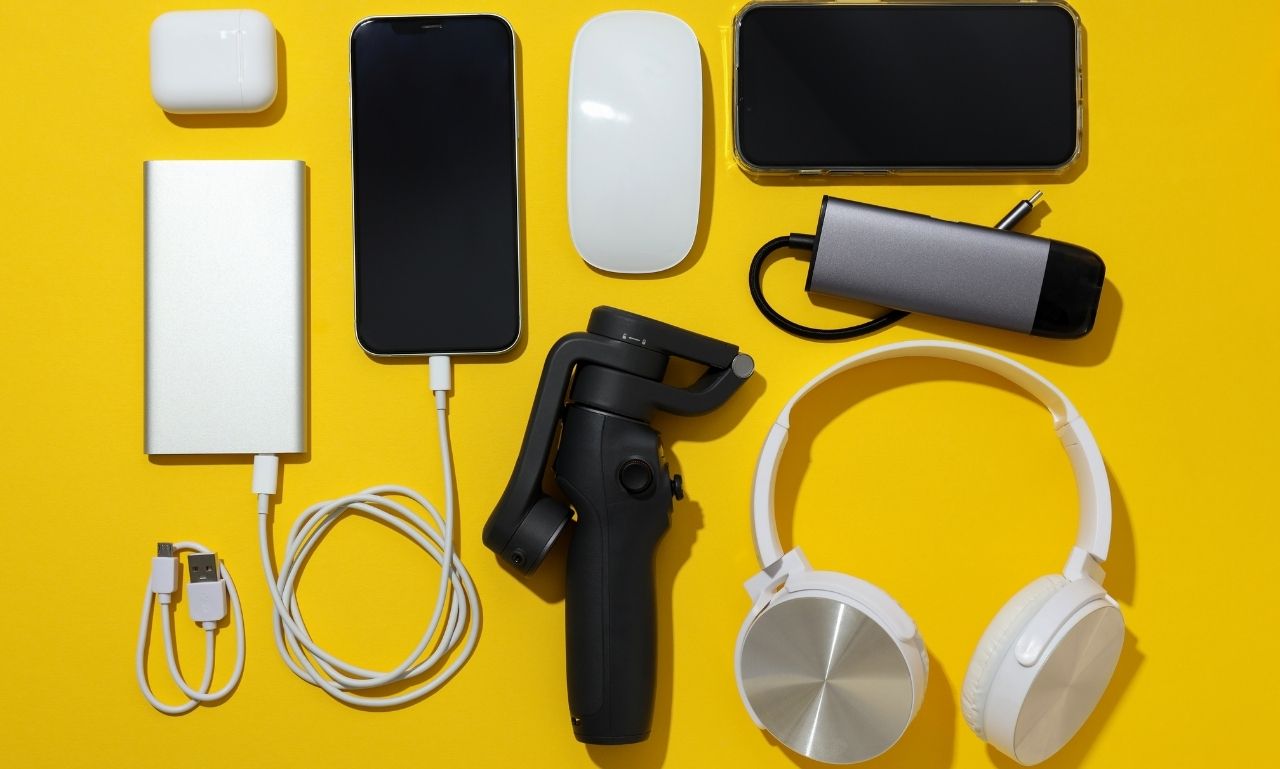
Most people expect their smartphones to age over time. What often comes as a surprise is how quickly the accessories around those devices begin to deteriorate. A phone may remain functional for years, while the cable, charger, earbuds, or protective case needs replacement long before then. Understanding what mobile accessories wear out the fastest helps consumers make better purchasing decisions, avoid unnecessary expenses, and protect their devices from preventable damage.
Why Mobile Accessories Wear Out Faster Than Smartphones
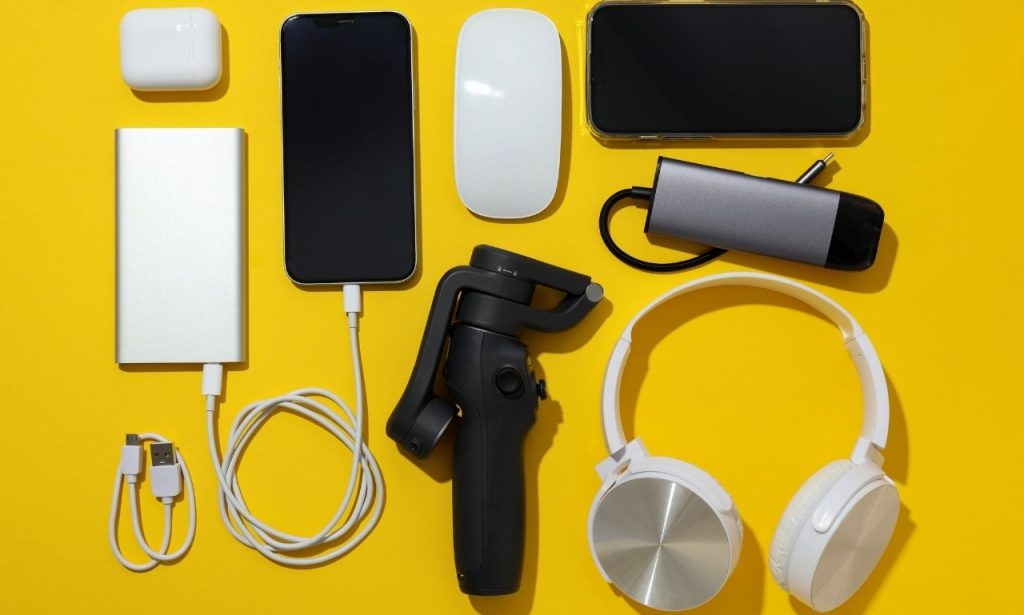
Smartphones are designed to withstand years of daily use. Manufacturers invest heavily in durable materials, protective coatings, and extensive testing. Accessories rarely receive the same level of engineering.
Most accessories experience constant physical stress. Charging cables bend hundreds of times every week. Earbuds endure sweat, dust, and frequent handling. Power banks cycle through charging and discharging processes that naturally degrade their batteries.
Price also plays a role. Many consumers replace accessories with lower-cost alternatives, which often sacrifice durability to keep manufacturing expenses down. Even premium accessories eventually wear out because many contain components that naturally degrade through regular use.
The result is a simple reality: accessories often reach the end of their lifespan long before the phone they support.
Charging Cables: The Accessory That Fails First
If there is one clear answer to the question of what mobile accessories wear out the fastest, charging cables usually top the list.
A charging cable experiences stress almost every time it is used. Users bend it while charging, wrap it for storage, pull it from wall outlets, and carry it in bags and pockets. Over time, those actions weaken the internal wires.
The most common failure point appears near the connector ends. This area bends repeatedly, causing the protective outer layer to crack and the internal conductors to break. A cable may still look fine from the outside while hidden damage affects charging performance.
Common signs of cable wear include:
- Intermittent charging
- Slow charging speeds
- Visible fraying
- Loose connections
- Excessive heat during use
High-quality braided cables generally last longer than standard rubber-coated versions. However, even premium cables eventually deteriorate under continuous use.
Phone Chargers and Power Adapters
Wall chargers typically outlast cables, but they are not immune to wear.
Inside every charger are electronic components that convert electricity into a form your smartphone can safely use. Heat is the primary enemy of these components. Repeated exposure to high temperatures gradually reduces efficiency and reliability.
Fast chargers face additional strain because they deliver higher power levels. While modern chargers are built with safety protections, years of daily use can affect internal circuits.
A failing charger may produce several warning signs:
- Unusually high temperatures
- Inconsistent charging
- Buzzing or humming noises
- Visible damage to the housing
- Longer charging times
Using uncertified chargers often accelerates these problems. Poorly manufactured units may lack proper thermal management and safety protections.
Wireless Earbuds and Headphones
Wireless earbuds have become one of the most popular smartphone accessories. They are also among the most disposable.
Unlike many accessories, earbuds contain batteries. Every rechargeable battery has a limited number of charge cycles before capacity begins to decline. This process is unavoidable and affects every brand.
Daily users often notice reduced battery life after two or three years. Earbuds that once lasted eight hours may struggle to reach half that time. Charging cases experience similar battery degradation.
Physical wear adds another challenge. Earbuds face constant exposure to:
- Sweat
- Skin oils
- Dust
- Moisture
- Accidental drops
Charging contacts can corrode, speaker meshes can clog, and silicone ear tips can lose their shape. Even when the audio components remain functional, battery deterioration often makes replacement necessary.
Power Banks and Their Limited Lifespan
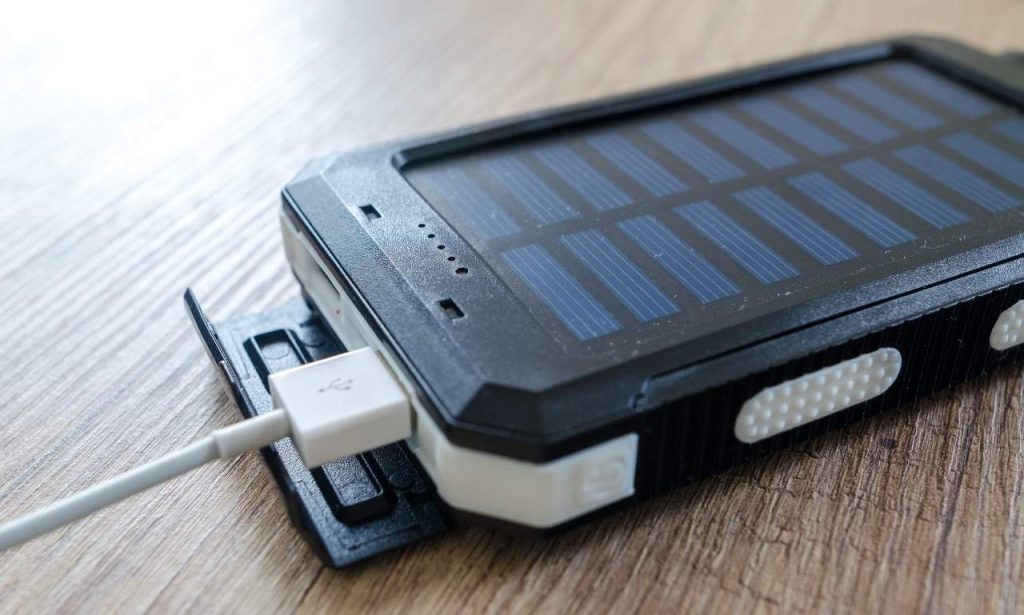
Power banks seem durable because they have no moving parts, but their lifespan depends almost entirely on battery chemistry.
Every time a power bank charges and discharges, it consumes a small portion of its overall life expectancy. Lithium-ion batteries gradually lose their ability to store energy, regardless of brand or price.
A high-quality power bank may remain useful for several years, but capacity loss is inevitable. A unit advertised as 20,000mAh may eventually provide significantly less usable power.
Heat accelerates this decline. Leaving a power bank inside a hot vehicle or exposing it to direct sunlight can permanently damage the battery cells.
Users should pay attention to warning signs such as swelling, overheating, unusual odors, or dramatically reduced charging capacity. These symptoms indicate that replacement may be necessary for both performance and safety reasons.
Screen Protectors Wear Out More Quickly Than Most Users Realize
Screen protectors exist to absorb damage that would otherwise affect the phone’s display. By design, they are sacrificial products.
Many people continue using damaged protectors long after replacement is warranted. Small scratches gradually accumulate, reducing visibility and making displays appear older than they actually are.
Tempered glass protectors can also develop microfractures that weaken their ability to absorb impacts. A protector that has survived several drops may no longer offer the same level of protection.
Common indicators that a screen protector should be replaced include visible cracks, chipped edges, reduced touch sensitivity, and persistent scratches that affect screen clarity.
Fortunately, screen protectors remain among the most affordable accessories to replace.
Phone Cases Lose Protection Over Time
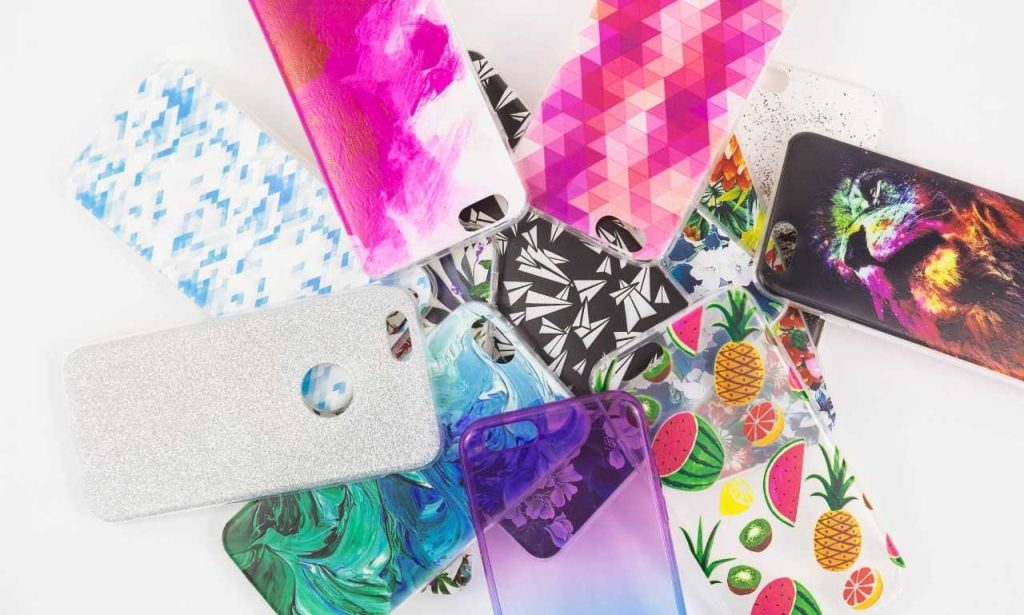
Phone cases often appear durable because they do not contain electronic components. Yet their protective qualities diminish as materials age.
Silicone and TPU cases can stretch and lose their shape. Clear cases frequently yellow after prolonged exposure to sunlight and environmental contaminants. Plastic cases may develop cracks after repeated impacts.
The deterioration is not always obvious. A case may still fit the phone while offering significantly less shock absorption than when it was new.
Heavy users often overlook this issue. A case that has protected a device through multiple drops may have internal stress damage that reduces future protection.
Replacing a worn case can be just as important as replacing a damaged screen protector, especially for users who frequently carry their phones outdoors or during travel.
Can Worn-Out Accessories Damage Your Phone?
Many consumers continue using failing accessories because they appear functional. That decision can create problems that extend beyond inconvenience.
A damaged charging cable may produce inconsistent power delivery. A failing charger can generate excess heat. Poor-quality accessories may lack protections against power fluctuations.
In extreme situations, defective charging products can contribute to battery stress, overheating, or charging port damage.
Power banks with deteriorating batteries pose their own risks. Swollen batteries should never be ignored, as they can become hazardous if punctured or exposed to additional heat.
While modern smartphones include extensive safety systems, they cannot fully compensate for faulty accessories. Replacing worn accessories often costs far less than repairing a damaged device.
How to Make Mobile Accessories Last Longer
Although wear is inevitable, proper care can significantly extend the lifespan of most accessories.
Charging cables benefit from gentle handling. Avoid pulling them by the cord and use the connector instead. Loose storage is preferable to tight wrapping.
Chargers should remain in well-ventilated areas during use. Covering a charger with clothing or bedding traps heat and accelerates component degradation.
Wireless earbuds last longer when charging contacts are cleaned regularly. Removing accumulated dirt helps maintain efficient charging performance.
Power banks should be stored in moderate temperatures. Extreme heat and extreme cold both shorten battery life.
Regular inspection also helps. Small problems are easier to address before they become major failures.
Should You Buy Cheap or Premium Mobile Accessories?
Price alone does not determine durability, but quality often matters.
Premium accessories generally use better materials, stronger connectors, higher-quality batteries, and more rigorous testing standards. They also tend to include certifications that verify safety and performance.
That does not mean every expensive accessory is worth the extra money. Some products command premium prices primarily because of branding.
The better approach is to evaluate construction quality, warranty coverage, certification standards, and customer reviews. A moderately priced accessory from a reputable manufacturer often provides better value than the cheapest available alternative.
For products such as chargers, cables, and power banks, investing in quality usually pays off through longer lifespan and improved reliability.
Knowing When It’s Time to Replace Your Accessories
Many people wait until an accessory stops working completely. By that point, performance may have been declining for months.
Replacing accessories proactively often improves both convenience and safety.
A cable that charges intermittently is nearing failure. Earbuds that no longer hold a charge have reached the practical limits of their batteries. A cracked screen protector can no longer provide dependable protection.
Paying attention to these warning signs helps avoid unexpected disruptions and protects the devices that rely on those accessories every day.
The answer to what mobile accessories wear out the fastest remains fairly consistent across most users. Charging cables typically fail first, followed closely by wireless earbuds, chargers, power banks, screen protectors, and phone cases. Each accessory faces different forms of wear, but all eventually reach a point where replacement becomes necessary.
Understanding why accessories deteriorate allows consumers to make smarter purchases and develop habits that extend product lifespan. While no accessory lasts forever, proper care and thoughtful buying decisions can delay replacement and improve the overall smartphone experience.
Also Read: Which Phone Accessories Actually Improve Productivity?
FAQs
Most charging cables last between six months and two years, depending on quality, usage habits, and storage conditions.
Yes. Faulty or poorly manufactured chargers can cause overheating, inconsistent charging, and potential stress on the phone’s battery system.
Their internal lithium-ion batteries gradually lose capacity after repeated charge cycles. This process affects all rechargeable batteries.
A screen protector should be replaced whenever it develops cracks, chips, reduced touch responsiveness, or scratches that affect visibility.
Leave a Reply