
Most people share their phone number without much thought. It’s printed on business cards, attached to online accounts, and often required when signing up for services. While a phone number may seem harmless, it can reveal more than many people realize. Understanding what can someone do with just your phone number is the first step toward protecting your privacy and preventing fraud.
Why Your Phone Number Is More Valuable Than You Think

A phone number has become one of the most important pieces of personal information in the digital world. It often acts as a link between your identity and your online accounts.
Companies use phone numbers to verify users, send security codes, recover accounts, and confirm transactions. Because of this, cybercriminals view phone numbers as valuable entry points rather than simple contact details.
Years ago, someone needed much more information to target a victim. Today, a phone number can help criminals gather additional details from multiple sources and build a surprisingly complete profile.
How Phone Numbers Became Digital Identifiers
Many websites, apps, banks, and social media platforms require users to connect a phone number to their accounts. This creates a direct association between the number and a person’s digital identity.
The more services linked to a phone number, the more attractive it becomes to scammers and fraudsters.
Can Someone Find Personal Information With Your Phone Number?
One of the most common concerns people have is whether someone can discover personal information using only a phone number.
In many cases, the answer is yes.
A phone number can sometimes lead to information such as:
- Full name
- Email address
- Home address
- Social media profiles
- Employment details
- Family connections
The amount of information available depends on how much data exists online and whether it has appeared in public records, social media profiles, or data breaches.
Reverse Phone Lookup Services
Numerous websites allow users to search a phone number and view associated information. Some provide only basic details, while others aggregate information from public databases and commercial data brokers.
Even when the information is outdated, it can provide enough clues for scammers to continue their research.
What Can Someone Do With Just Your Phone Number and Social Media?
Many people unknowingly connect their phone numbers to social media accounts. This can make it easier for someone to locate profiles across different platforms.
A scammer may enter a phone number into social media search functions and discover:
- Facebook profiles
- Instagram accounts
- LinkedIn profiles
- Messaging accounts
- Professional information
This information helps attackers create convincing scams because they can personalize messages and appear trustworthy.
Why Personalized Scams Are More Effective
People are naturally more likely to trust messages that include their names, workplace details, or references to friends and family.
A criminal who knows these details can craft messages that feel legitimate and lower a victim’s guard.
How Scammers Use Phone Numbers for Smishing Attacks
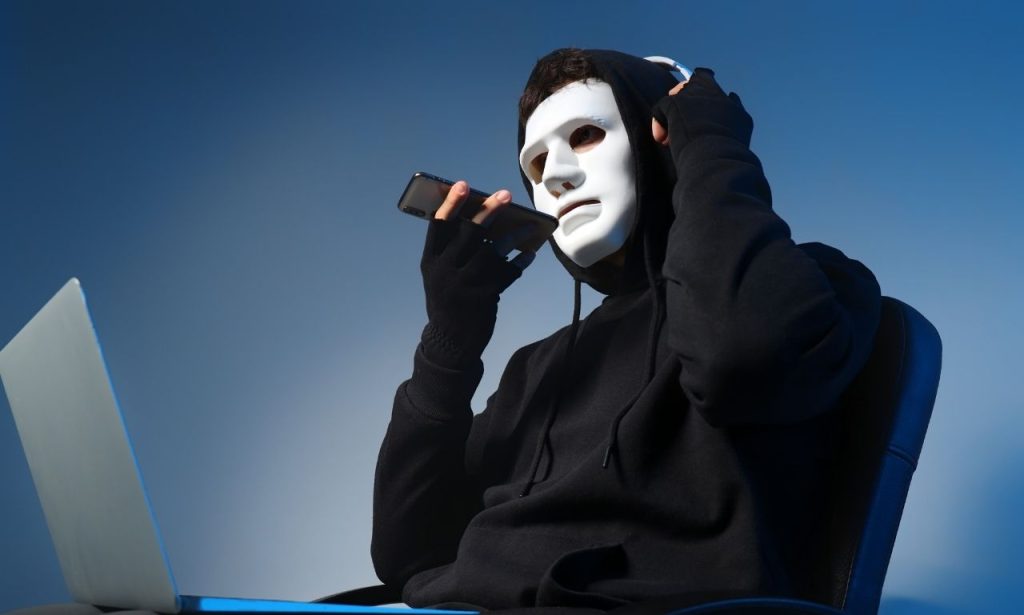
Text message scams have become one of the fastest-growing forms of cybercrime.
Known as smishing, these attacks use SMS messages to trick victims into revealing passwords, banking information, or personal details.
A typical message may claim to come from:
- A bank
- A delivery company
- A government agency
- A mobile carrier
- An online retailer
The message usually creates urgency and encourages the recipient to click a link or provide sensitive information.
Why Smishing Works So Well
Text messages often feel more personal than emails. Many people also assume that mobile carriers filter malicious messages, which creates a false sense of security.
As a result, scam texts often achieve higher response rates than phishing emails.
Can Someone Hack Your Phone With Just Your Phone Number?
This question appears frequently online, but the answer requires some context.
A phone number alone does not give someone direct access to your device. They cannot simply type your number into a tool and instantly take control of your phone.
However, a phone number can become part of a larger attack.
Social Engineering and Phone-Based Attacks
Rather than hacking a device directly, criminals often manipulate people.
For example, they may call pretending to represent a bank, technical support department, or mobile carrier. Their goal is to persuade the victim to reveal passwords, verification codes, or account details.
In many cases, the human element is easier to exploit than the technology itself.
What Is SIM Swapping and Why Is It Dangerous?
SIM swapping is one of the most serious threats associated with phone numbers.
This attack occurs when a criminal convinces a mobile carrier to transfer a victim’s number to a different SIM card under the attacker’s control.
Once successful, the attacker begins receiving calls and text messages intended for the victim.
How SIM Swaps Lead to Account Takeovers
Many online accounts still rely on SMS-based two-factor authentication.
If attackers control the phone number, they may intercept security codes and reset passwords for:
- Email accounts
- Banking platforms
- Cryptocurrency exchanges
- Social media profiles
Several high-profile financial thefts have involved SIM swap attacks.
Can Someone Access Your Bank Account With Your Phone Number?
A phone number alone is usually not enough to access a bank account.
Banks require additional verification methods and security controls. However, criminals can use phone numbers as part of a broader fraud strategy.
How Banking Scams Typically Work
Scammers often impersonate banks and contact victims through calls or text messages.
They may claim:
- Suspicious activity has been detected
- A payment needs verification
- An account has been locked
- Security information must be updated
The objective is usually to obtain login credentials or verification codes rather than access the account directly.
What Can Someone Do With Just Your Phone Number After a Data Breach?
Data breaches have become increasingly common. When a phone number appears in a leaked database, it can be combined with other stolen information.
This increases the risk of identity theft and targeted fraud.
How Criminals Build Identity Profiles
Attackers frequently combine information from multiple sources.
A breached phone number may be matched with:
- Email addresses
- Passwords
- Usernames
- Addresses
- Financial information
The more information they gather, the more convincing their scams become.
Signs Someone May Be Misusing Your Phone Number
Most people discover problems only after suspicious activity begins.
Recognizing warning signs early can prevent larger issues.
Red Flags to Watch For
Unexpected events often indicate that someone is attempting to use your phone number improperly.
Pay attention if you experience:
- Verification texts you did not request
- Password reset notifications
- Sudden loss of mobile service
- Calls from unknown numbers asking for personal details
- Friends reporting strange messages from your accounts
These warning signs deserve immediate attention.
How to Protect Yourself If Someone Has Your Phone Number
Sharing a phone number is often unavoidable, but there are steps that significantly reduce risk.
Good security habits create multiple layers of protection.
Practical Security Measures
Start with the basics:
- Enable multi-factor authentication using an authenticator app
- Create strong and unique passwords
- Set a carrier PIN or port-out lock
- Avoid responding to suspicious texts
- Review privacy settings on social media
- Remove personal information from data broker websites when possible
These measures make it far more difficult for attackers to exploit your number.
Should You Change Your Phone Number?
Many people consider changing their number after receiving scam calls or learning that their information has been exposed.
In most situations, changing your number is unnecessary.
If your accounts remain secure and you have not experienced a SIM swap or identity theft incident, strengthening security settings is usually a better solution.
Changing a number can create inconvenience while offering only limited protection if other personal information remains available online.
Conclusion
The question of what can someone do with just your phone number has become increasingly relevant as more of our lives move online. A phone number may not provide direct access to your accounts, but it can serve as a starting point for scams, identity theft attempts, social engineering attacks, and SIM swapping schemes. Understanding these risks allows you to take sensible precautions, protect your accounts, and reduce the chances of becoming a target.
Also read: Is It Safe to Share Your Email Address Publicly?
FAQs
Can someone find my address with my phone number?
Yes, in some cases. Reverse lookup services, public records, and data broker websites may connect a phone number to an address.
Not directly. However, attackers can use your number in social engineering schemes or SIM swap attacks.
Generally, no. The risk increases when the number is shared publicly or linked to sensitive online accounts without proper security measures.
Monitor your accounts, enable stronger authentication methods, set a carrier PIN, and ignore suspicious calls or messages.
Leave a Reply