Many people share their email addresses online without giving it much thought. A business owner may publish one on a website, a freelancer may include it in a portfolio, and social media users often add contact details to their profiles. The question is simple, but the answer requires a closer look at how email addresses are used, collected, and abused online, and whether it is safe to share your email address publicly.
Why People Share Their Email Addresses Online
Email remains one of the most common ways people communicate online. Businesses use it for customer inquiries, professionals use it for networking, and creators use it to connect with audiences.
Publishing an email address can make communication easier and more direct. Potential customers can reach a business quickly. Journalists can contact experts. Recruiters can connect with job candidates. In many situations, making an email address public serves a legitimate purpose.
The challenge is that the internet does not distinguish between genuine users and bad actors. Once an email address becomes public, it can be seen by anyone, including automated systems designed to collect and exploit contact information.
Is It Safe to Share Your Email Address Publicly?
The short answer is that it depends on the type of email address, where it is shared, and the level of exposure involved.
Sharing a dedicated business email address on a company website generally carries less risk than posting a personal email address on a public forum. Businesses often expect incoming messages from strangers. Personal accounts typically contain sensitive information linked to banking, shopping, social media, and other services.
An email address alone usually cannot compromise an account. However, it can become the starting point for unwanted attention, spam campaigns, phishing attempts, and targeted attacks.
The more public an email address becomes, the greater the likelihood it will eventually appear in marketing databases, scraping tools, and spam lists.
How Email Harvesting Works
One reason public email addresses attract unwanted messages is a practice known as email harvesting.
Email harvesting involves automated software that scans websites, forums, directories, and social platforms searching for email addresses. These tools work continuously and can collect thousands of addresses in a short period.
The harvested addresses are often sold to advertisers, marketers, and sometimes cybercriminals. Once an address enters these databases, the volume of unsolicited messages can increase significantly.
This process explains why someone who posts an email address on a website may notice a sudden rise in spam weeks or months later. The collection often happens quietly in the background, making it difficult to trace the source.
Where Harvesting Bots Commonly Look
Harvesting tools frequently scan:
- Public websites
- Blog comment sections
- Online directories
- Discussion forums
- Social media profiles
- Public business listings
Even small websites can attract automated crawlers within days of publishing an email address.
What Can Someone Do With Your Email Address?
Many people assume an email address has little value. In reality, it can reveal more than expected.
An email address often serves as a digital identifier. It is commonly used across multiple online accounts, making it useful for profiling and targeting.
Common Uses of Public Email Addresses
A publicly available email address may be used to:
- Send spam messages
- Deliver phishing emails
- Attempt account recovery scams
- Build marketing databases
- Identify linked online accounts
- Conduct social engineering attacks
The risks increase when attackers combine an email address with information gathered from social media profiles, public records, or previous data breaches.
The Real Risk of Phishing Attacks
Spam is annoying, but phishing presents a far greater concern.
Phishing attacks attempt to trick people into revealing passwords, financial information, or other sensitive data. These messages often appear legitimate and may imitate banks, employers, online stores, or popular services.
A public email address creates an accessible target. Cybercriminals can craft messages that appear relevant to the recipient, increasing the likelihood of engagement.
For example, a business owner whose email appears on a company website may receive messages pretending to come from payment providers, suppliers, or customers. The attack becomes more convincing because the sender already knows the recipient’s role.
Why Phishing Is Becoming More Sophisticated
Modern phishing campaigns frequently use publicly available information.
Attackers may research:
- Job titles
- Company names
- Social media profiles
- Professional websites
- Public contact pages
The additional context helps create highly believable messages designed to bypass suspicion.
Can Someone Hack You With Just Your Email Address?
This question appears frequently in search results, and the answer is reassuring.
An email address alone is usually not enough to hack an account.
However, it can become the first piece of information in a broader attack. Criminals often combine email addresses with leaked passwords, social engineering techniques, and credential stuffing tools.
Credential stuffing occurs when attackers test passwords obtained from previous breaches against multiple websites. If someone reuses passwords across different accounts, the risk increases dramatically.
The real danger lies not in the email address itself but in how it can be used alongside other information.
Personal Email vs Business Email: Which Is Safer to Share?
Not all email addresses carry the same level of risk.
Personal email accounts often serve as central hubs for digital life. They may connect to banking services, online shopping accounts, healthcare portals, cloud storage platforms, and social media profiles.
Business email addresses usually have a narrower purpose. They are designed for communication and often operate within structured security environments.
Why Personal Addresses Require More Protection
A personal email account may contain:
- Password reset links
- Financial notifications
- Private conversations
- Account verification messages
- Personal records
Public exposure increases the chances of targeted attacks aimed at accessing these resources.
Whenever possible, personal email addresses should remain private.
Safer Alternatives to Publishing Your Main Email Address
Many people need public contact options without exposing their primary inbox.
Fortunately, several alternatives provide a balance between accessibility and security.
Email Aliases
An alias creates a separate address that forwards messages to the main account. If the alias begins attracting spam, it can often be disabled without affecting the primary inbox.
Contact Forms
Website contact forms allow visitors to send messages without displaying an email address publicly. This approach reduces exposure to harvesting bots while maintaining communication channels.
Dedicated Business Addresses
Using addresses such as support@, info@, or media@ creates a separation between public communication and personal accounts.
Temporary or Disposable Addresses
Disposable email services can help when registering for websites that may generate unwanted messages. They are particularly useful for short-term interactions.
How to Protect Yourself If Your Email Address Is Already Public
Many people discover their email address has been publicly available for years. In most cases, there is no need to panic.
Instead, focus on strengthening security around the account.
Practical Security Measures
Use a strong, unique password for every account connected to the email address. Password managers make this easier by generating and storing complex credentials.
Enable two-factor authentication wherever available. This adds an additional layer of protection beyond the password.
Review account recovery options regularly. Remove outdated phone numbers and secondary email addresses that could create security gaps.
Stay alert for suspicious messages, particularly those requesting passwords, payment information, or urgent action.
These simple measures significantly reduce risk even when an email address is publicly visible.
Signs Your Email Address May Have Been Exposed
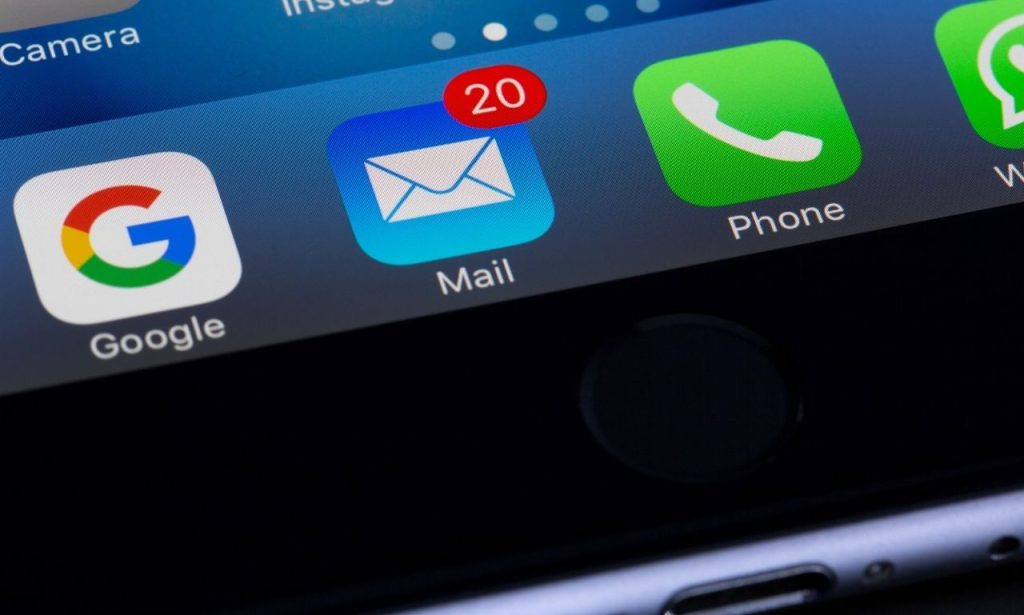
Some indicators suggest an email address has entered spam databases or become widely distributed.
A sudden increase in unsolicited messages is often the first sign. Recipients may also notice repeated phishing attempts, fake invoices, password reset emails they never requested, or messages from unfamiliar companies.
While these signs do not necessarily indicate a security breach, they suggest the address has become more visible than intended.
Monitoring unusual activity helps identify potential problems before they escalate.
Should You Share Your Email Address Publicly?
There is no universal answer because every situation is different.
For businesses, public email addresses often serve an important purpose and remain a practical necessity. For individuals, the decision requires more caution.
If sharing an email address publicly supports a clear goal, such as customer communication or professional networking, it can be done safely with proper safeguards. The key is avoiding unnecessary exposure of personal accounts and understanding the risks that come with public visibility.
The safest approach is usually to separate public-facing communication from personal email activity. Doing so limits potential damage while preserving accessibility.
A public email address is not automatically dangerous, but it should never be treated casually. The more valuable an online identity becomes, the more attractive it becomes to those looking for opportunities to exploit it.
Also Read: What Can Someone Do With Just Your Phone Number?
FAQs
Yes, but using a dedicated business address or contact form is generally safer than publishing a personal email account.
In some cases, yes. Many platforms allow account discovery through email addresses unless privacy settings restrict it.
Automated harvesting tools may collect publicly visible email addresses and add them to marketing or spam databases.
No. A separate business address or email alias provides better privacy and reduces security risks.
Leave a Reply