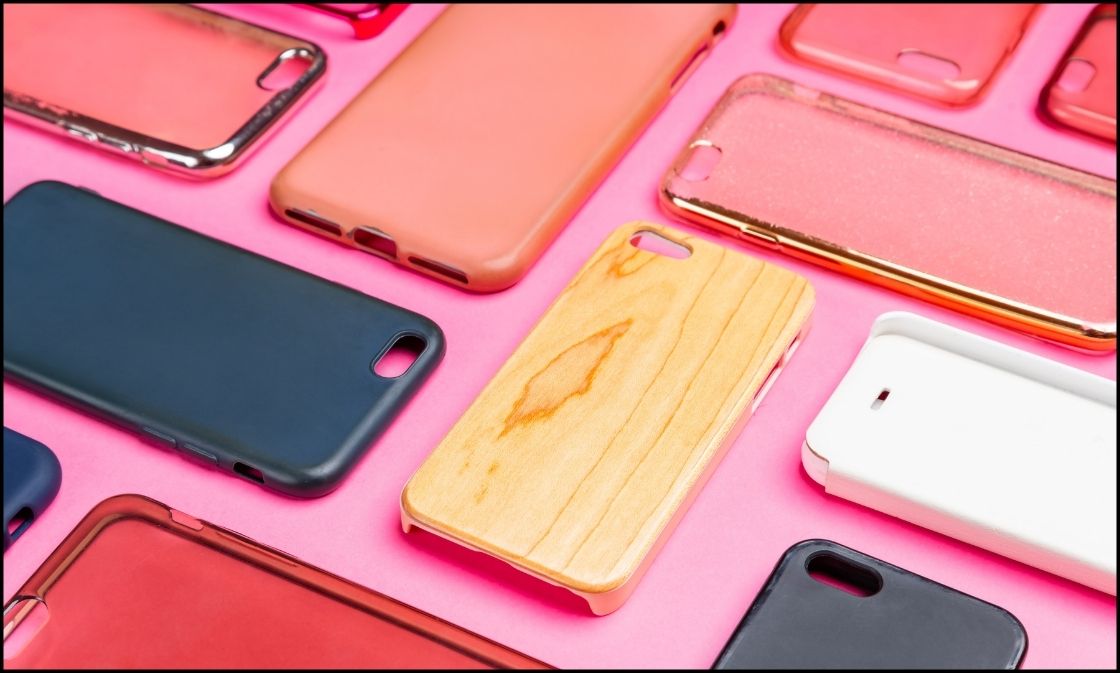
Smartphone owners spend plenty of time searching for ways to squeeze more life from a battery. Screen settings, charging habits, and background apps usually get most of the attention. Yet one accessory that rarely enters the conversation is the phone case. While a case cannot add battery capacity, it can influence several factors that affect how efficiently a phone uses and preserves power over time.
Understanding the Relationship Between Phone Cases and Battery Life
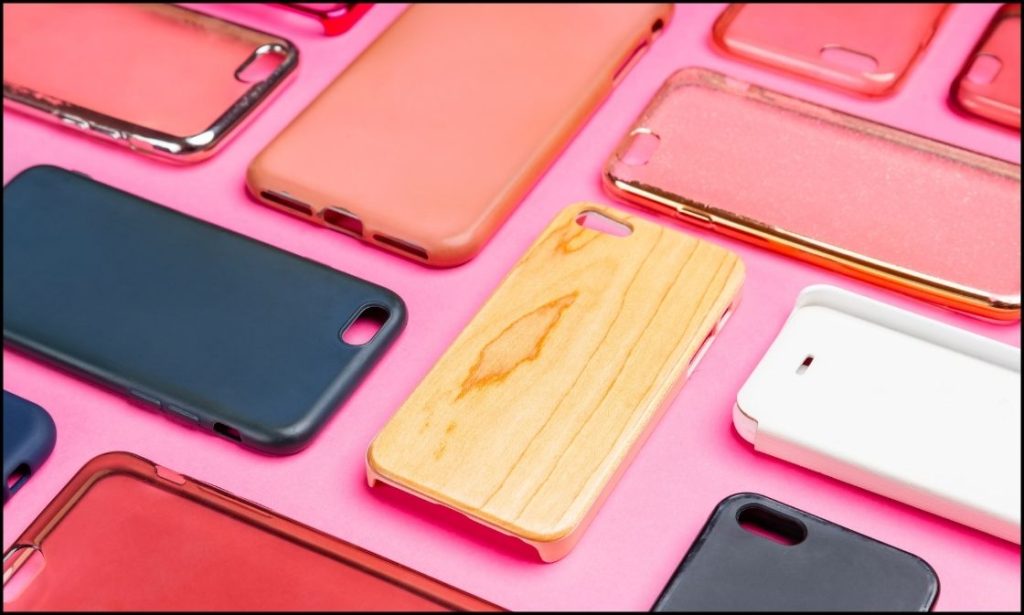
To answer the question, can a phone case improve battery life indirectly, it helps to separate battery life from battery capacity.
A phone case cannot increase the amount of energy stored inside a battery. That capacity is determined by the battery itself. However, battery performance is influenced by conditions surrounding the device. Temperature, charging efficiency, physical protection, and hardware health all play a role in how well a battery performs.
A phone case affects several of these conditions. Depending on its design and material, it can either support battery health or create conditions that accelerate wear. The impact is often subtle, but over months and years of use, those small effects can become noticeable.
Why Heat Matters More Than Most People Realize
Heat is one of the biggest enemies of lithium-ion batteries. Every modern smartphone relies on this battery technology, and excessive temperatures speed up chemical degradation inside the battery cells.
When a battery regularly operates at elevated temperatures, its maximum capacity gradually declines. This means the phone holds less charge than it did when it was new. A device that once lasted all day may eventually struggle to make it through the afternoon.
Heat affects more than long-term health. It can also increase short-term power consumption. Smartphones often activate thermal management systems when temperatures rise. Processors slow down, charging speeds decrease, and system resources work harder to maintain stability.
This is where phone cases enter the discussion. Some cases influence how effectively heat escapes from the device during demanding tasks.
How Daily Activities Generate Heat
Most users associate overheating with gaming, but many common activities generate significant heat.
These include:
- Fast charging
- Wireless charging
- Video recording
- Mobile gaming
- GPS navigation
- Video calls
- Streaming high-resolution content
During these activities, the phone’s internal components continuously generate heat. If that heat remains trapped, battery stress increases.
Can a Phone Case Improve Battery Life Indirectly Through Better Heat Management?
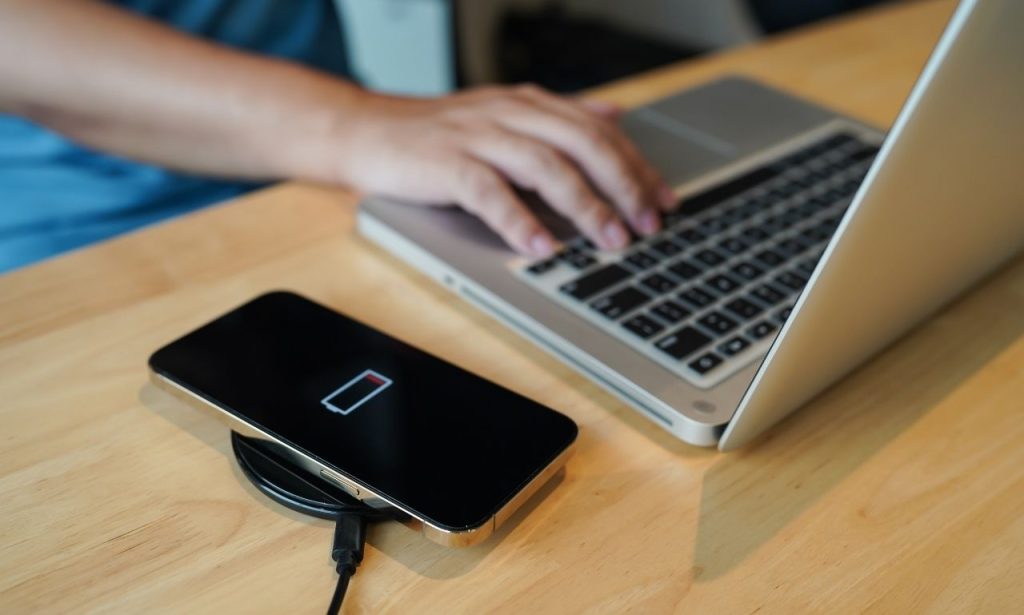
This is perhaps the strongest argument in favor of certain phone cases helping battery performance.
Some modern cases are designed with thermal management in mind. They use materials that allow heat to dissipate more efficiently than thick insulating materials. Slim designs often allow heat to escape more effectively than bulky protective cases.
A phone that remains cooler during charging or intensive use places less strain on its battery. Over time, that can contribute to healthier battery performance and slower capacity loss.
The improvement is indirect because the case is not generating extra battery power. Instead, it is helping create conditions that reduce battery stress.
Not all cases provide this benefit. Some may actually work against it.
How Thick Cases Can Work Against Battery Efficiency
Rugged cases offer excellent drop protection, but they sometimes create unintended thermal challenges.
Many thick cases rely on dense layers of silicone, rubber, or other insulating materials. While these materials absorb impact effectively, they may also reduce heat dissipation.
Imagine wrapping a warm object in a blanket. The heat does not disappear. It remains trapped for longer. A similar effect can occur when a smartphone operates inside a heavily insulated case.
This becomes particularly noticeable during:
- Fast charging sessions
- Extended gaming sessions
- Long navigation trips
- Hot outdoor conditions
A warmer battery experiences greater stress. Over time, that can contribute to faster battery aging.
This does not mean rugged cases are bad products. It simply means users should understand the trade-offs between protection and thermal performance.
Phone Case Materials and Their Impact on Battery Health
The material used in a phone case can influence heat transfer and overall device temperature.
Silicone and TPU Cases
Silicone and TPU remain among the most popular case materials because they offer flexibility, affordability, and impact protection.
They perform well for everyday use, but they are not especially effective at transferring heat away from the phone. Their insulating properties can sometimes contribute to heat retention during demanding tasks.
Polycarbonate Cases
Polycarbonate cases tend to be thinner and more rigid. They often allow better heat dissipation than thicker silicone alternatives.
Many minimalist cases use polycarbonate specifically because it provides protection without adding excessive bulk.
Aramid Fiber Cases
Aramid fiber cases have become increasingly popular among users who prioritize slim designs.
These cases are lightweight, durable, and generally thinner than traditional protective cases. Their minimal thickness often helps reduce heat retention compared with bulkier alternatives.
Metal Cases
Metal cases can transfer heat effectively, but they introduce other complications. They may interfere with wireless charging, signal reception, or overall usability.
For that reason, they remain less common in the mainstream market.
Charging Habits and the Role of a Phone Case
Charging generates heat naturally. Fast charging generates even more.
During charging, the battery converts electrical energy into stored chemical energy. This process produces heat as a byproduct. If a case traps that heat, battery temperatures can rise further.
Many smartphone manufacturers acknowledge this issue. Some even recommend removing certain types of cases if the device becomes unusually warm during charging.
Wireless Charging Creates Additional Heat
Wireless charging is convenient, but it is generally less efficient than wired charging.
Energy transfers through electromagnetic induction rather than a direct cable connection. Some energy is lost as heat during this process.
A thick case can increase this heat buildup. In extreme situations, charging speeds may slow automatically as the phone attempts to control temperature levels.
Users who rely heavily on wireless charging may benefit from slim, heat-friendly case designs.
Physical Protection Also Supports Long-Term Battery Performance
Battery life is not only about chemistry. Physical damage can affect power performance as well.
A dropped phone may suffer internal damage even when the screen appears intact. Connectors, charging circuits, and battery components can experience stress from repeated impacts.
A quality phone case reduces the likelihood of this type of damage.
Protecting the phone’s internal hardware helps maintain efficient operation over the device’s lifespan. In that sense, a case contributes indirectly to battery reliability by preserving the overall health of the device.
The benefit may not appear immediately, but avoiding hardware damage can extend a smartphone’s usable life significantly.
Why Overheating Can Trigger Faster Battery Drain
Many users notice battery drain after a phone becomes hot. This is not their imagination.
Higher temperatures increase resistance and place additional demands on system resources. Background processes may become more active as the operating system attempts to manage thermal conditions.
Some devices also reduce processor efficiency during overheating events. Tasks may take longer to complete, which can increase overall energy consumption.
A phone that consistently runs cooler often maintains more stable performance. While the gains may be modest, they contribute to a smoother user experience and healthier battery behavior.
This is another reason the question can a phone case improve battery life indirectly deserves attention.
Choosing a Battery-Friendly Phone Case
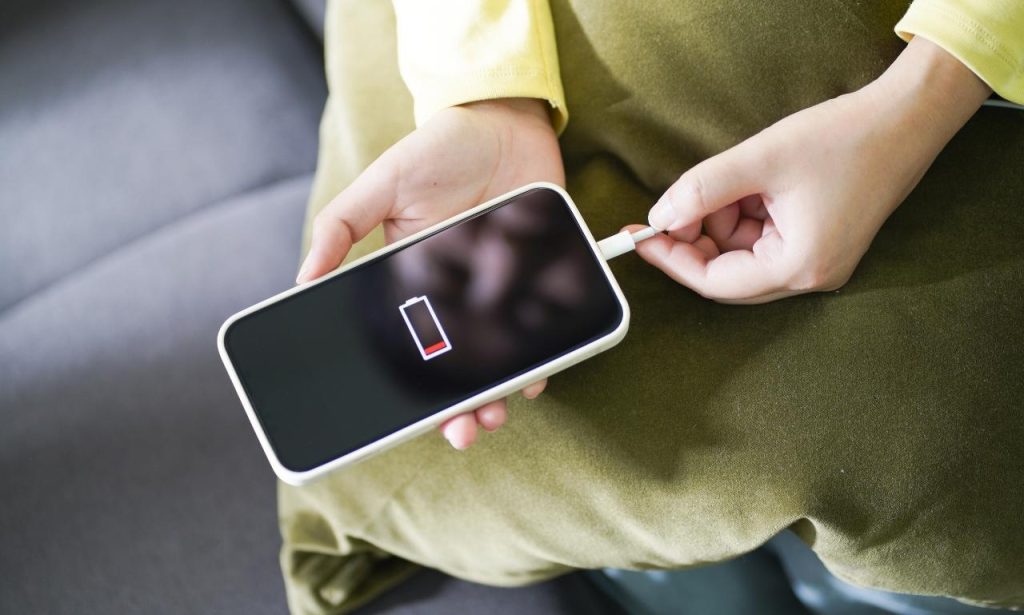
Consumers looking for a battery-conscious case should focus on balance rather than extremes.
The ideal case provides sufficient protection without creating unnecessary thermal insulation.
Several characteristics are worth considering:
- Slim construction
- High-quality materials
- Compatibility with wireless charging
- Good ventilation around ports and openings
- Positive reviews regarding heat management
No case can transform battery performance dramatically. However, choosing a design that minimizes heat retention can support better long-term results.
Users who frequently game, stream video, or use fast charging may notice the greatest benefits from heat-conscious case designs.
Common Myths About Phone Cases and Battery Life
Misconceptions often appear in discussions about smartphone accessories.
One common myth is that a phone case directly increases battery capacity. This is impossible unless the case contains an additional battery pack.
Another misconception suggests all cases cause overheating. In reality, the effect varies greatly depending on material, thickness, environmental conditions, and usage patterns.
Some people also assume battery life improvements will be immediate. Indirect benefits usually appear gradually through reduced battery wear and improved thermal management.
The real value lies in preserving battery health over time rather than creating dramatic day-to-day changes.
The Verdict: Can a Phone Case Improve Battery Life Indirectly?
The answer is yes, but with important qualifications.
A phone case cannot create extra battery power or increase battery capacity. What it can do is influence the conditions that affect battery performance. Cases that support efficient heat dissipation, reduce physical damage, and avoid excessive thermal insulation may help preserve battery health over the long term.
For most users, the biggest factor is temperature management. Batteries age faster when exposed to frequent heat. A thoughtfully designed case can help reduce that stress during charging, gaming, navigation, and other demanding activities.
So, can a phone case improve battery life indirectly? In many situations, it can. The effect is not dramatic or immediate, but it may contribute to healthier battery performance and slower battery degradation throughout the life of the device.
Also Read: What Mobile Accessories Wear Out the Fastest?
FAQs
Not directly. A case cannot increase battery capacity, but it may help preserve battery health by reducing heat-related stress.
Usually it is not necessary. However, if the phone becomes noticeably hot during charging, removing the case may help improve heat dissipation.
Slim cases made from materials that minimize heat retention are generally better for long-term battery health than very thick insulating cases.
Wireless charging itself does not usually damage a battery, but excessive heat generated during charging can accelerate battery wear if temperatures remain high.
Leave a Reply